

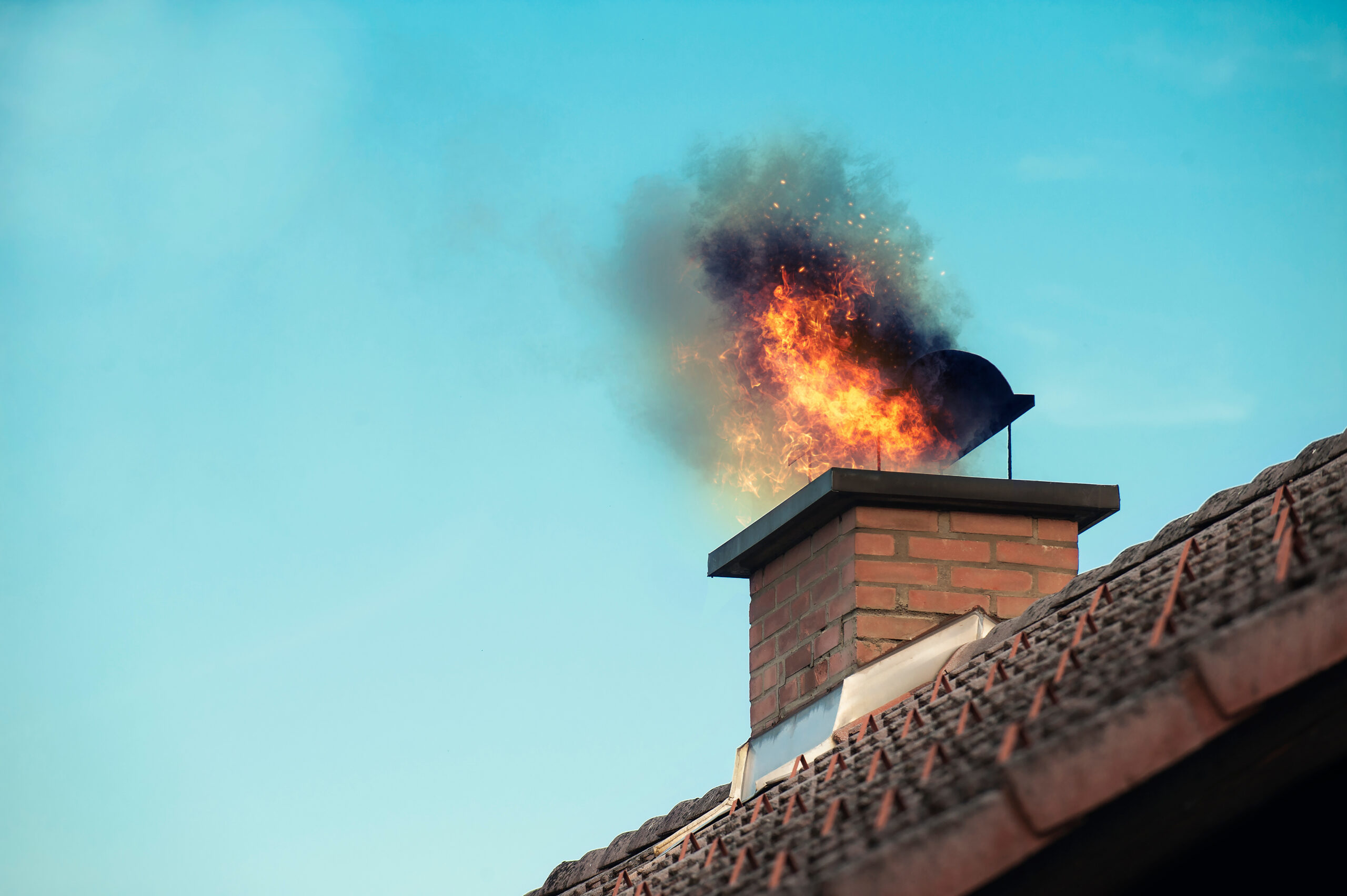
Chimneys and fireplaces are associated with an estimated 25,000 fires per year in the United States — and the U.S. Consumer Product Safety Commission (CPSC) says the overwhelming majority are caused by a single substance that builds up inside chimneys over time: creosote. Creosote is a dark, flammable residue that accumulates on the interior walls of chimneys every time wood is burned, and most homeowners have never had it professionally removed.
What Creosote Is and Why It Burns
When wood burns, it produces combustion gases that rise through the chimney. As these hot gases pass through a cooler chimney flue, they condense on the interior walls and deposit creosote — a substance that ranges in consistency from light, flaky soot to thick, tar-like deposits to a hard, shiny glaze depending on burning temperature and wood type. All forms are flammable. The third-stage, glazed form is particularly dangerous because it ignites at temperatures commonly reached inside chimneys and burns at extremely high temperatures — hot enough to crack chimney tiles, damage mortar, and spread fire to the home structure around the chimney.
Wet or unseasoned wood, smoldering fires kept low to extend burning time, and infrequent use of a fireplace with occasional hot fires all accelerate creosote buildup.
What CPSC and the National Fire Protection Association Recommend
CPSC and fire safety authorities recommend that chimneys used for wood burning be professionally inspected and cleaned annually — before each heating season. A certified chimney sweep can identify creosote accumulation, structural damage to the flue liner, blockages from animals or debris, and cracks in the mortar that allow heat to transfer to surrounding wood framing.
What Homeowners Should Do
- Have your chimney professionally inspected and cleaned by a certified chimney sweep before using it this fall.
- Only burn dry, seasoned hardwood. Never burn green or wet wood, trash, cardboard, or wood with painted or treated surfaces.
- Never let a fire smolder — a hot, actively burning fire produces less creosote than a smoldering low fire.
- Always use the fireplace damper correctly — open fully before lighting and close only after all embers are fully extinguished.
- Install a chimney cap to prevent animals, debris, and rain from entering the flue.
- Install smoke and CO alarms outside every sleeping area and on every level of the home.
To report a dangerous product or a product-related injury, visit SaferProducts.gov or call CPSC’s Hotline at 800-638-2772.
Source: https://www.cpsc.gov/Safety-Education/Safety-Guides/Home/Fireplace-and-Chimney-Safety