

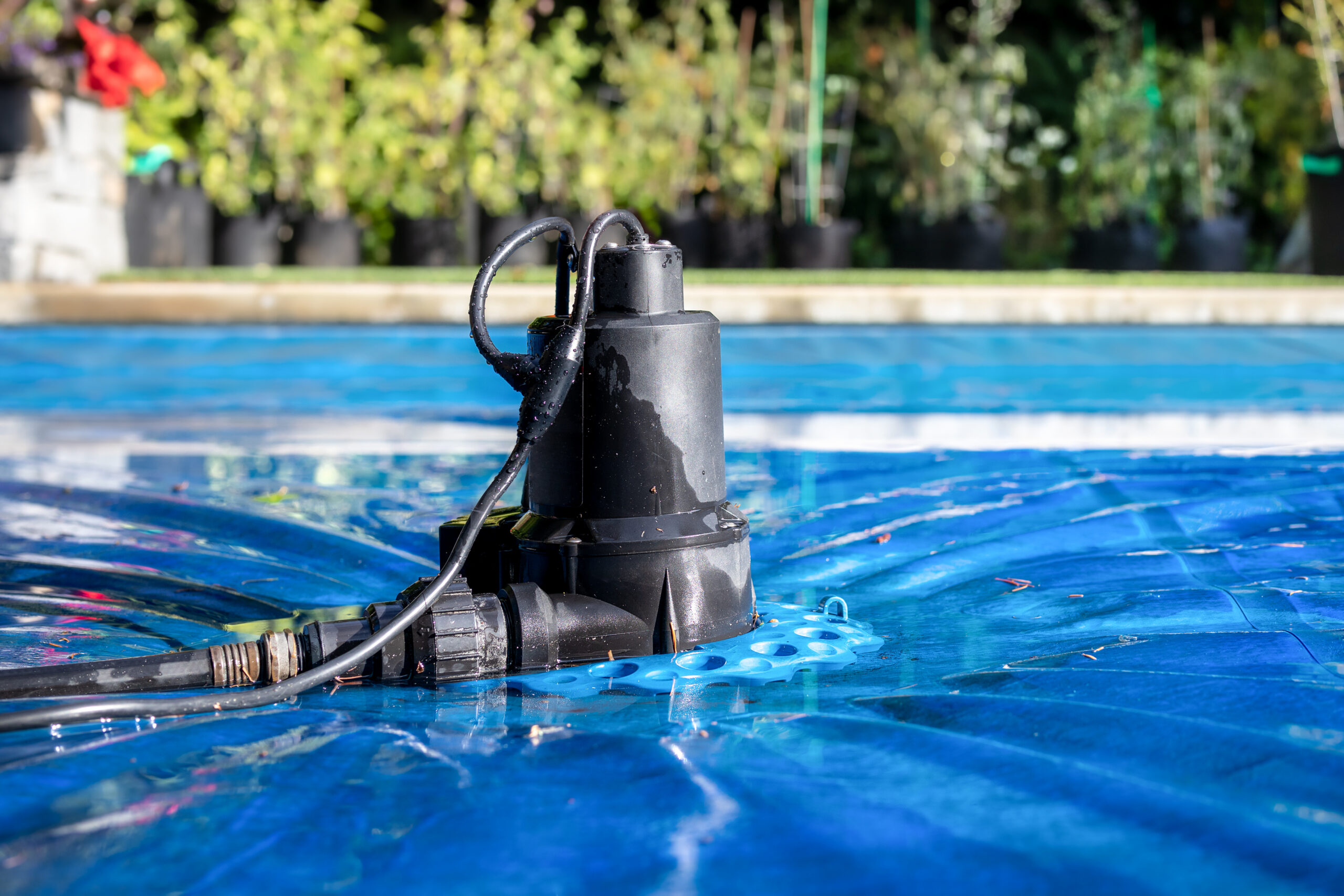
Every summer, millions of Americans cool off in pools, spas, and hot tubs — but few are aware of a silent, invisible danger lurking in the water. The U.S. Consumer Product Safety Commission (CPSC) warns that electricity and water are a deadly combination, and since 2002, CPSC is aware of 33 fatalities involving electrocutions in swimming pools and spas.
What Is Electrocution and How Does It Happen Near Pools?
Electrocution is death by electrical shock. Wet skin and wet surfaces — such as grass or a pool deck — can greatly increase the chance of electrocution when electricity is present. Electricity around pools, hot tubs, and spas can come from a number of sources, including:
- Underwater lights
- Electric pool equipment such as pumps, filters, and vacuums
- Extension and power cords
- Electrical outlets or switches nearby
- Radios, stereos, TVs, and other electrical products used poolside
- Overhead power lines
How Do I Know If Someone Is Being Shocked in the Water?
Swimmers being shocked may feel a tingling sensation, experience muscle cramps, and be unable to move — or feel as if something is holding them in place. Warning signs to watch for from outside the water include: unsettled or panicked behavior by swimmers, one or more passive or motionless swimmers, swimmers actively moving away from a specific area or from a motionless swimmer, and underwater lights that are not working properly.
What Should You Do If You Think You’re Being Shocked?
- Move away from the source of the shock immediately.
- Get out of the water. If possible, exit without using a metal ladder, as touching a metal ladder may increase the risk of shock.
What Should You Do If Someone Else Is Being Shocked in the Water?
- Immediately turn off all power. If the power is not turned off, rescuers can also become victims.
- Call 9-1-1 immediately.
- Using a fiberglass Shepherd’s crook or rescue hook, extend your reach to the victim. Brace yourself on the pool deck and extend the hook toward the victim. If the victim cannot grasp it, use the loop to encircle their body and pull them, face-up, to the edge.
- Carefully remove the victim from the water.
If the person is unresponsive and not breathing normally:
- Place the person on their back on a firm, flat surface.
- If trained in CPR, begin CPR with cycles of 30 chest compressions followed by 2 ventilations. If untrained, perform Hands-Only CPR.
- Continue CPR until you notice an obvious sign of life, an AED is ready to use, EMS personnel take over, or you are too exhausted to continue.
Visit redcross.org/takeaclass for first aid and CPR training information and class schedules.