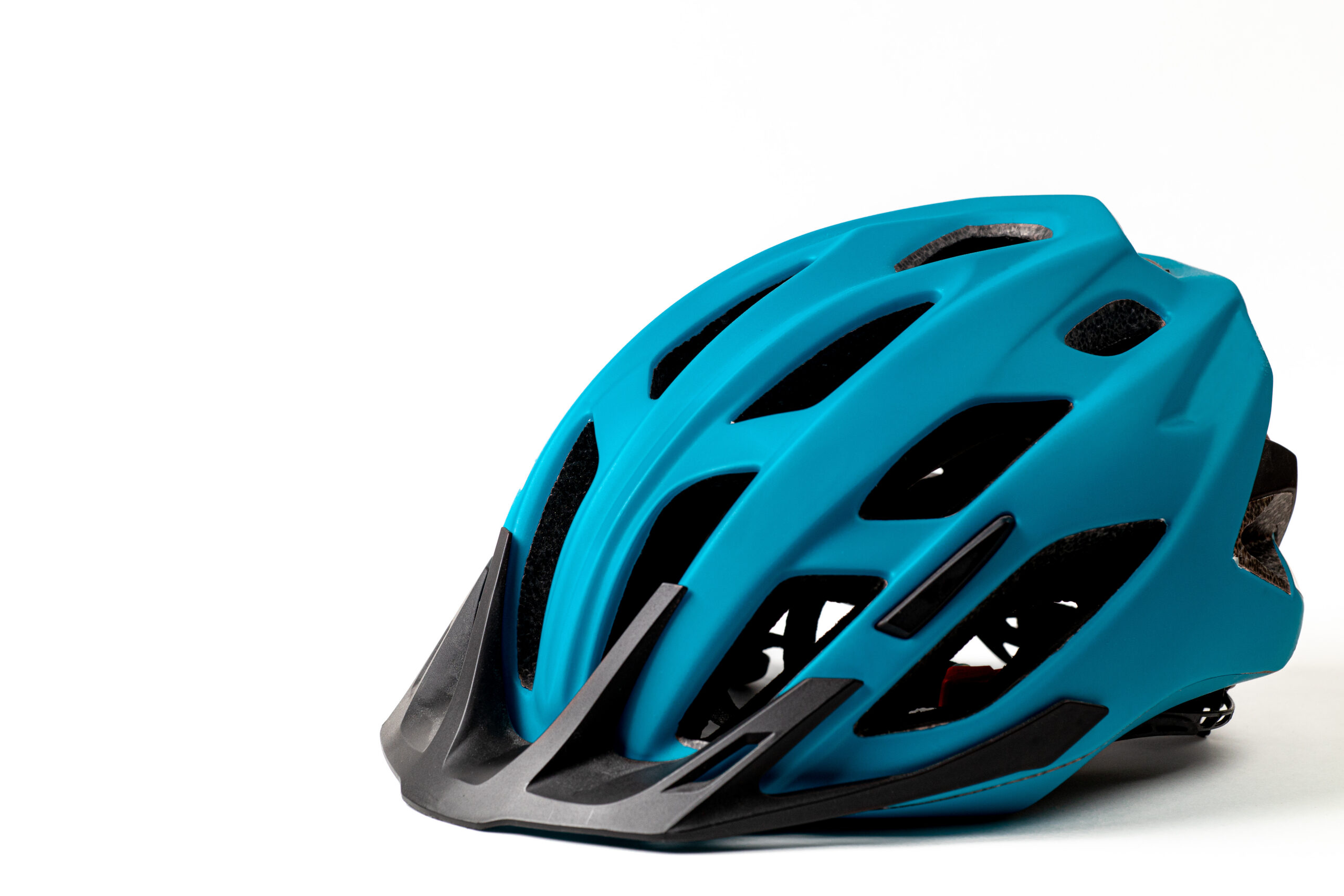
Cycling is one of the most popular summer activities in America — but every year, hundreds of people die from bicycle-related head injuries that a helmet could have prevented. The U.S. Consumer Product Safety Commission (CPSC) reports that about 900 people are killed annually in bicycle-related incidents, and more than 500,000 people are treated in U.S. hospital emergency rooms for bicycle-related injuries every year. About 60 percent of all bicycle-related deaths involve a head injury. Research shows that wearing a bicycle helmet can reduce the risk of head injury by up to 85 percent.
What to Know About Helmet Standards
Bicycle helmets are required by federal law to meet the CPSC safety standard, published in Title 16, Part 1203 of the Code of Federal Regulations. This standard ensures that helmets adequately protect the head and that chin straps are strong enough to prevent the helmet from coming off in a crash, collision, or fall. When purchasing a helmet, look for a label stating conformance with the CPSC standard. Be aware that helmets specifically marketed for exclusive use in activities such as skateboarding, in-line skating, baseball, or roller hockey are not covered by the bicycle helmet requirements and should not be substituted for a proper bicycle helmet.
CPSC has also warned consumers to stop using BeePrincess adult bike helmets, which violate the mandatory safety standard for bicycle helmets. These helmets can fail to protect riders in the event of a crash, posing a deadly risk of head injury. About 2,200 helmets were sold online at Walmart.com from July 2024 through November 2025. If you have one, stop using it immediately, cut the straps, and dispose of it. Do not sell or give it away.
How to Make Sure Your Helmet Fits Correctly
A helmet only protects you if it fits properly. Follow these guidelines:
- The helmet should have a snug but comfortable fit on the rider’s head. If buying a helmet for a child, bring the child along so the helmet can be tested for a proper fit.
- For a helmet to provide protection during impact, it must have a chin strap and buckle that will stay securely fastened. No combination of twisting or pulling should remove the helmet from the head or loosen the buckle on the strap.
- Children should always wear the helmet level on the forehead, not tilted back. The chin strap should be adjusted correctly and firmly buckled.
- A helmet that has received an impact may be damaged and may no longer protect the rider. Such damage may not be visible. Replace a helmet after any significant crash.
Additional Bicycle Safety Tips
- Avoid riding at night. If you must ride at night, install and use front and rear lights on the bicycle and wear clothing with reflective tape or markings.
- Bicyclists have a legal right to share the road but are often not noticed in traffic. Always apply the rules of the road and stay alert for turning, merging, or lane-changing vehicles.
To report an unsafe bicycle helmet or a product-related injury, visit SaferProducts.gov or call CPSC’s Hotline at 800-638-2772 (TTY 800-638-8270).