

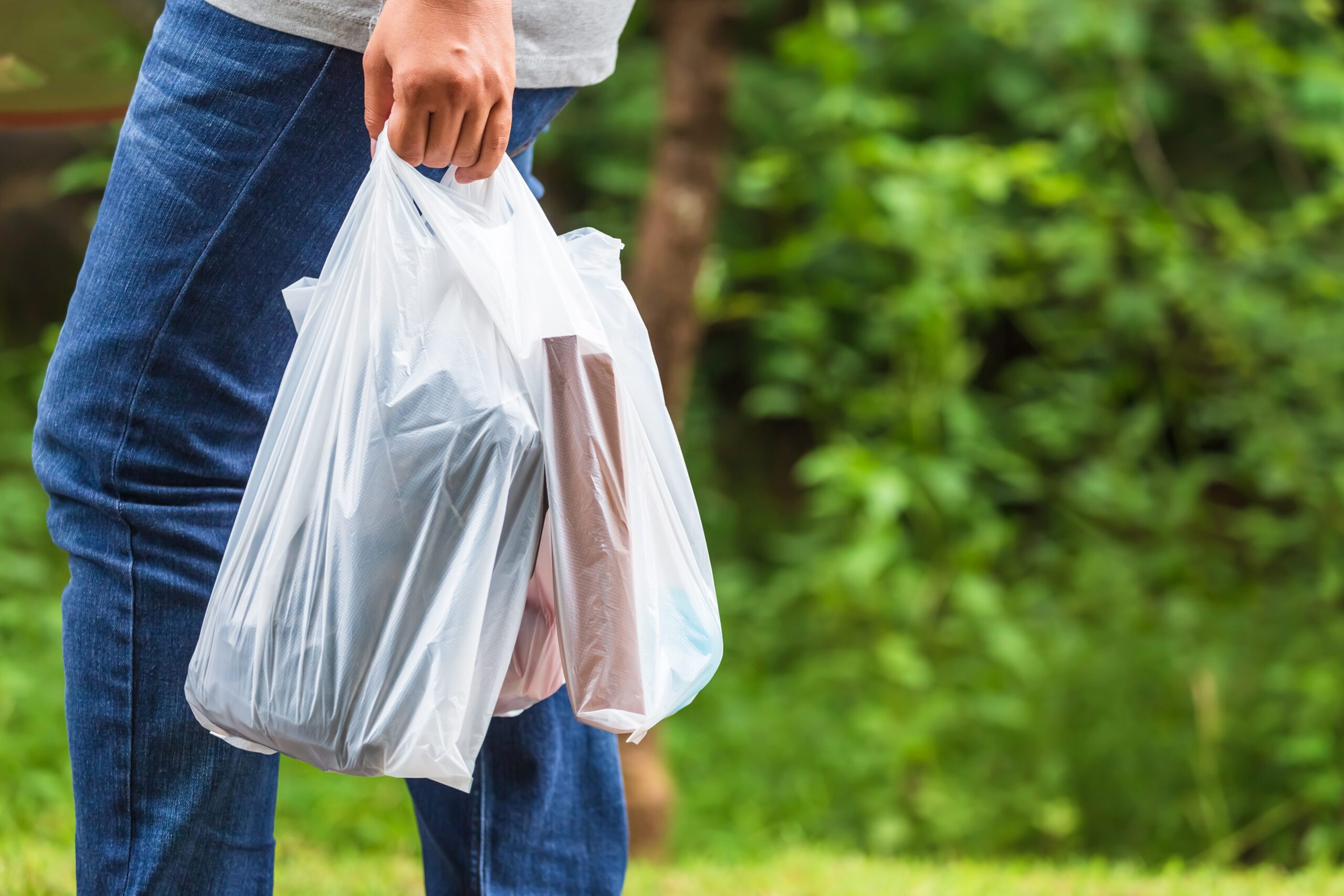
Plastic bags, dry cleaning bags, packaging film, and thin plastic wrap are found in virtually every American home — and the U.S. Consumer Product Safety Commission (CPSC) warns they are a leading cause of suffocation deaths in young children. Thin plastic film conforms instantly to a child’s face when inhaled or pulled over the head, blocking the airway completely. Unlike choking on a solid object, suffocation from plastic film often leaves no visible sign of struggle — children can die silently and quickly.
CPSC has identified plastic bags located in close proximity to cribs and sleep areas as a documented cause of infant deaths. Nursery product investigations by CPSC have found that extra bedding and plastic bags within easy reach of sleeping infants have led to fatalities — highlighting a hazard that most parents never consider when baby-proofing their homes.
Where the Hazard Hides
Plastic suffocation hazards are present throughout the home in forms most people don’t think twice about, including:
- Dry cleaning bags and garment bags
- Grocery and shopping bags
- Bread bags and food packaging film
- Packaging materials from delivered products
- Mattress bags and furniture wrapping
- Thin produce bags from grocery stores
- Plastic sheeting used in home improvement projects
Who Is Most at Risk
Children under 12 months are at the highest risk from plastic film suffocation, particularly when these materials are stored within reach of sleeping areas. Toddlers aged 1 through 3 also face significant risk because they are mobile, curious, and not yet able to understand or respond to the danger. Unlike older children, infants cannot remove a plastic bag from their face if it adheres to their mouth and nose.
Federal regulations require that plastic bags above a certain size carry a suffocation warning label — but these warnings are only effective if parents and caregivers act on them.
What You Should Do
- Immediately remove all plastic bags, dry cleaning bags, and packaging film from any area accessible to young children.
- Never store plastic bags in or near a child’s bedroom, nursery, or play area.
- Always keep plastic bags, film, and packaging materials stored in a secure location — a cabinet or drawer out of children’s reach.
- Tie plastic bags in a knot before disposing of them so they cannot be easily opened by a child.
- Never line a crib, bassinet, or play yard with plastic sheeting or film of any kind.
- Cut up or destroy large plastic bags before throwing them away.
- Talk to older children and babysitters about the suffocation risk so they understand not to leave plastic bags where young children can access them.
To report a product-related injury, visit SaferProducts.gov or call CPSC’s Hotline at 800-638-2772.