

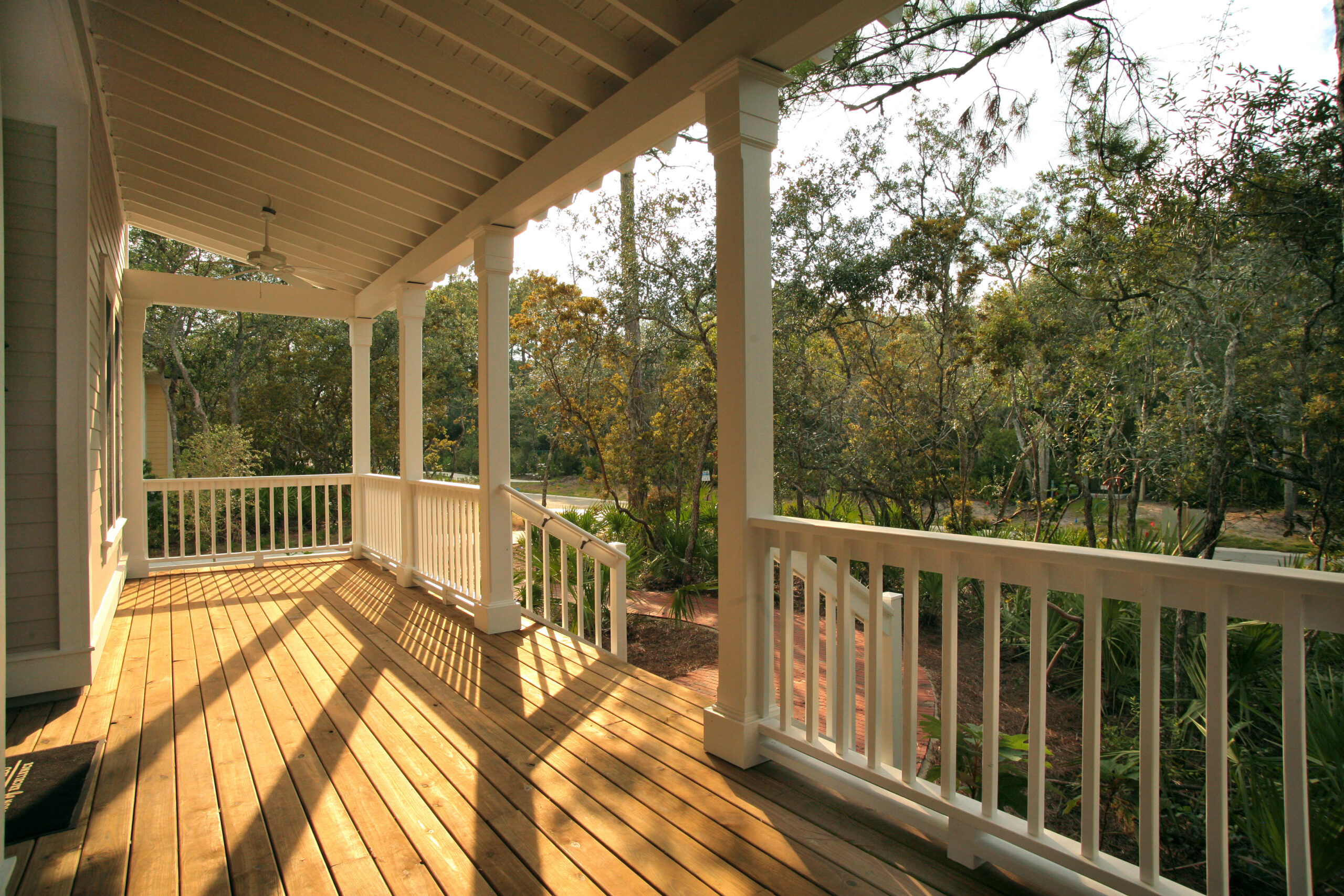
Millions of Americans spend summer weekends on their decks, balconies, and porches without ever thinking to check whether the structure beneath them is safe. The U.S. Consumer Product Safety Commission (CPSC) estimates that between 2016 and 2019, there were about 2,900 injuries and two deaths associated with collapses and failures of decks, balconies, and porches. These collapses often happen without warning — during gatherings, barbecues, and parties when the structure is under the most weight — turning a celebration into a catastrophe in seconds.
Why Decks Fail
Most deck collapses are caused by structural deterioration that is invisible from the surface. Common causes include:
- Rotting wood — particularly at the ledger board (where the deck attaches to the house), posts, and joists, which are often hidden from view
- Corroded or inadequate hardware — nails, screws, and bolts that were undersized to begin with or have degraded over time
- Improper original construction — decks built without proper permits or inspections that do not meet building codes
- Overloading — placing more weight on the deck than it was designed to support, particularly during parties and gatherings
- Deferred maintenance — decks that have never been inspected or maintained since original construction
What to Check Before Your Next Gathering
Before using your deck, particularly before hosting a gathering, CPSC recommends checking for the following warning signs:
- Ledger board connection: Check where the deck meets the house. Look for gaps, rot, missing hardware, or separation from the house wall. This is the most common point of catastrophic failure.
- Posts and footings: Check the vertical posts for rot, particularly at the base where they meet the ground or concrete footings. Wood that is soft or spongy has compromised structural integrity.
- Joists and beams: Look underneath the deck for cracks, rot, or insect damage on the horizontal supports.
- Decking boards: Walk the surface carefully and feel for soft, spongy, or springy spots that indicate rot underneath.
- Railing stability: Grab the railing and push firmly. It should feel solid. A wobbly railing is a sign the structure needs attention.
- Hardware: Look for rusted, loose, or missing bolts, nails, and screws — particularly at connection points.
When to Call a Professional
If you have any doubt about the condition of your deck, have it professionally inspected before using it. This is particularly important for:
- Decks more than 10 years old that have never been professionally inspected
- Decks built without permits or inspections
- Decks on homes you recently purchased where the maintenance history is unknown
- Any deck where you notice signs of rot, movement, or deterioration
To report a product-related injury, visit SaferProducts.gov or call CPSC’s Hotline at 800-638-2772.
Source: https://www.cpsc.gov/s3fs-public/Home_Safe_Outdoor-Repairs_checklist_COVID19_FINAL_0.pdf