

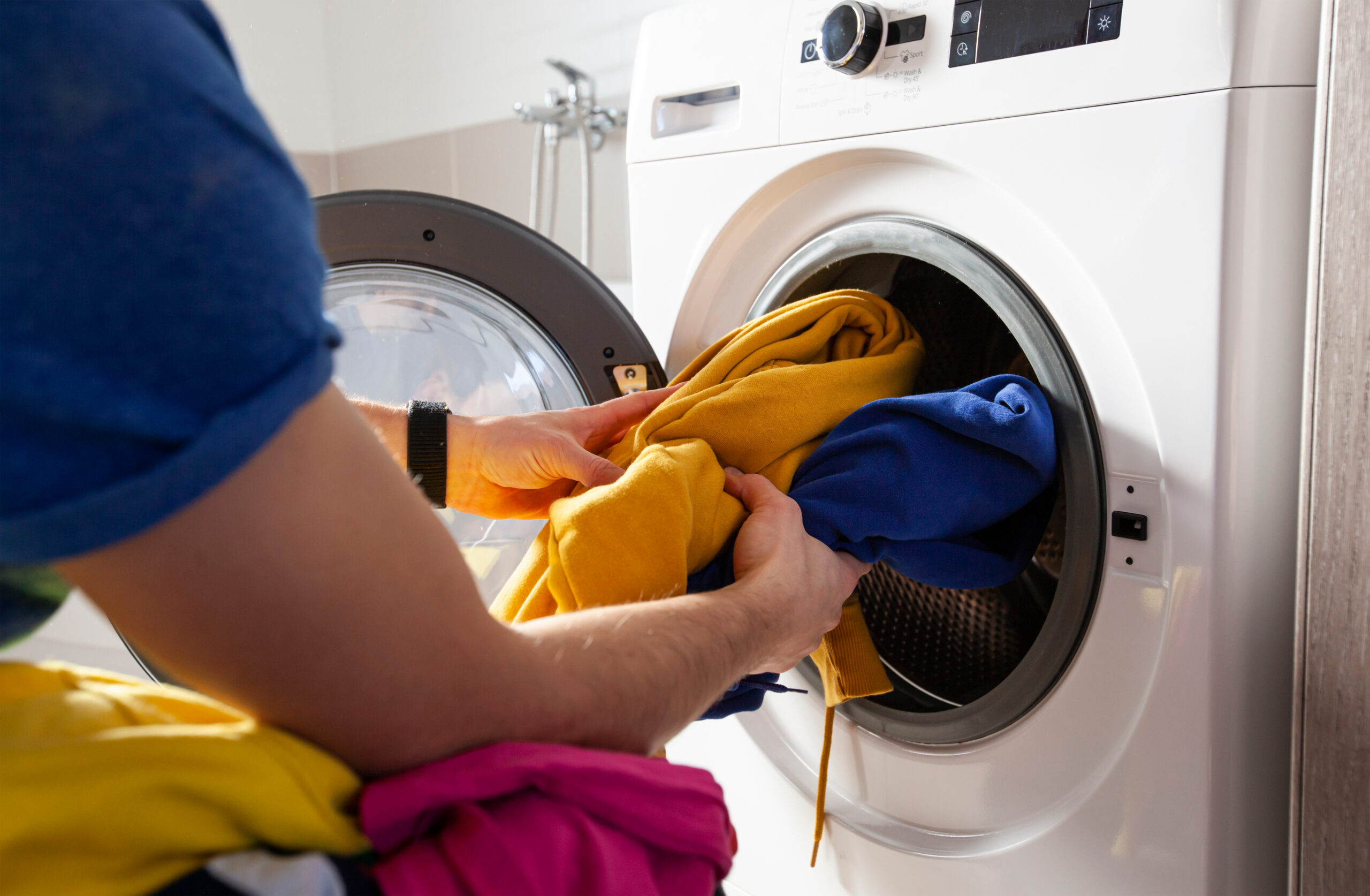
Your clothes dryer is quietly becoming a fire hazard every time you run a load — and most homeowners have no idea. The U.S. Consumer Product Safety Commission (CPSC) estimates a yearly average of 6,400 clothes dryer fires, injuring about 180 people and causing nearly $105 million in property damage annually. The cause in the vast majority of cases is lint — an entirely preventable hazard that builds up in your dryer and exhaust duct every single time you dry a load of clothes.
Why Lint Is So Dangerous
Lint is highly flammable. When lint accumulates in a dryer’s lint screen, inside the dryer chassis, or in the exhaust duct, it restricts airflow and causes internal temperatures to rise abnormally. Over time, elevated temperatures can degrade wiring and internal components, creating sparks or flames that ignite the accumulated lint. CPSC research shows that lint begins accumulating inside a dryer chassis even when the dryer is installed correctly, properly vented, and the lint screen is cleaned after every use. Cleaning the lint screen alone is not enough.
The duct or venting system is the most frequent location where dryer fires originate. The second most frequent location is the lint trap itself. Fires in these areas propagate quickly, spreading to nearby combustibles.
Safety Tips
- Clean the lint screen before or after every load. If clothing is still damp at the end of a normal drying cycle, or drying takes longer than usual, this is a warning sign that the lint screen or exhaust duct may be blocked.
- Clean the dryer vent and exhaust duct at least once a year. Check the outside dryer vent while the dryer is running to confirm that exhaust air is escaping. If it is not, the vent or duct is blocked and must be cleared before further use.
- Clean behind the dryer regularly, where lint accumulates. Have a qualified service person clean the interior of the dryer chassis periodically.
- Replace plastic or foil accordion-type ducting with rigid or corrugated semi-rigid metal duct. Flexible plastic or foil ducting traps lint more easily and is more susceptible to kinks that reduce airflow. Most manufacturers specify rigid or corrugated semi-rigid metal duct for maximum airflow and safety.
- Take special care when drying clothes soiled with volatile chemicals such as gasoline, cooking oils, cleaning agents, or stains. If possible, wash the clothing more than once to minimize chemical residue, and hang the clothes to dry. If using a dryer, use the lowest heat setting and a cycle with a cool-down period. Never leave chemically soiled clothes piled in a laundry basket after drying — the heat retained in the fabric can cause them to ignite.
- Never leave the dryer running while you are away from home or asleep.
- Keep the area around the dryer clean and free of clutter, particularly items that can burn.
To report a dangerous dryer or a product-related injury, visit SaferProducts.gov or call CPSC’s Hotline at 800-638-2772.