

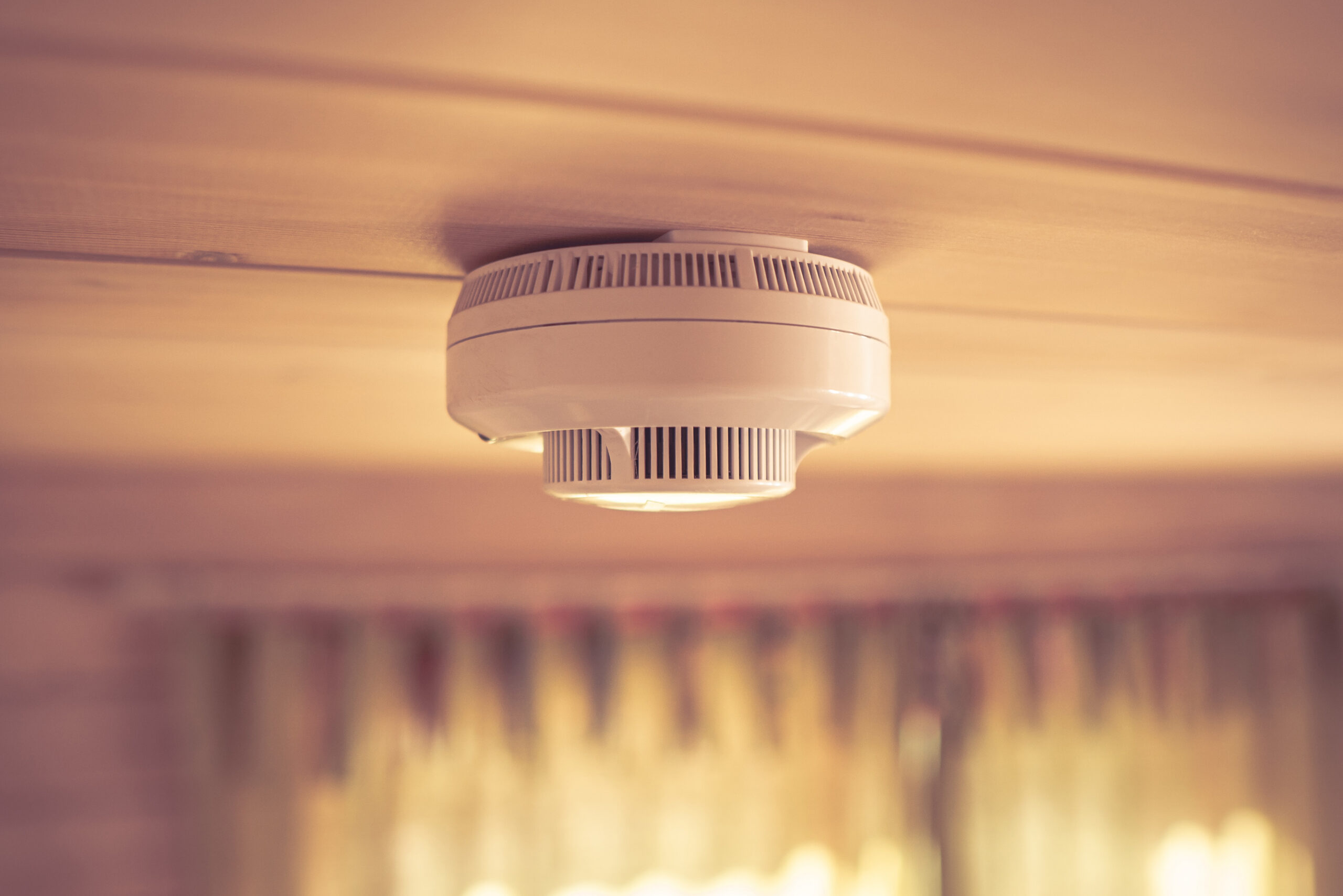
Most Americans believe they are protected from home fires because they have smoke alarms installed. But the U.S. Consumer Product Safety Commission (CPSC) warns that approximately 16 million homes in the United States have smoke alarms that do not work — most because the batteries are dead or missing. More than 2,200 people die every year from unintentional home fires, and almost two-thirds of those fire deaths occur in homes with no smoke alarms or with smoke alarms that do not work. A working smoke alarm can cut the risk of dying from a home fire by almost half.
You Have Minutes — Not Hours — to Escape
Most people significantly underestimate how fast a house fire becomes unsurvivable. In a typical residential fire, occupants may have as little as one to three minutes to escape after a smoke alarm sounds before conditions in the home become incapacitating or deadly. An alarm that fails to sound — because batteries are dead, because it has been removed after false alarms, or because the unit is defective — eliminates the only warning that can save your life in those critical minutes.
Defective Smoke Alarms Are Being Sold Right Now
CPSC has issued multiple urgent warnings against defective combination smoke and carbon monoxide detectors sold on Amazon that fail to alert consumers to the presence of smoke in a fire. These products have been manufactured by Chinese companies that have refused to cooperate with CPSC recall requests. Brands flagged by CPSC include products sold under names including BQQZHZ, PetUlove, ORIKLON, SENCKIT, Kingebai, Gaoducash, LDASEC, and AMS — all with model number JSN-JY-909COM. CPSC urges consumers who own any of these detectors to immediately dispose of them and install new, certified smoke alarms.
How to Make Sure Your Smoke Alarms Work
- Install smoke alarms on every level of the home, outside sleeping areas, and inside every bedroom.
- Install both ionization and photoelectric type smoke alarms. Ionization alarms respond faster to flaming fires; photoelectric alarms respond faster to smoldering fires. Using both types provides the most complete protection.
- All alarms should be battery-operated or have battery backup to function during a power outage.
- Test all smoke alarms monthly by pressing the test button. Replace batteries immediately if the alarm does not sound.
- Replace all smoke alarm batteries at least once a year — use the change to Daylight Saving Time as a reminder.
- Replace all smoke alarms that are 10 years old or older, as the sensing chamber may degrade over time.
- Never remove a smoke alarm or disable it because of nuisance alarms from cooking. Instead, move the alarm further from the kitchen or use a fan to ventilate while cooking.
- Develop and practice a family fire escape plan with two ways out of every room and a designated meeting place outside the home.
To report a dangerous smoke alarm or a product-related injury, visit SaferProducts.gov or call CPSC’s Hotline at 800-638-2772.
Source: https://www.cpsc.gov/Safety-Education/Safety-Education-Centers/Fire-Safety-Information-Center