

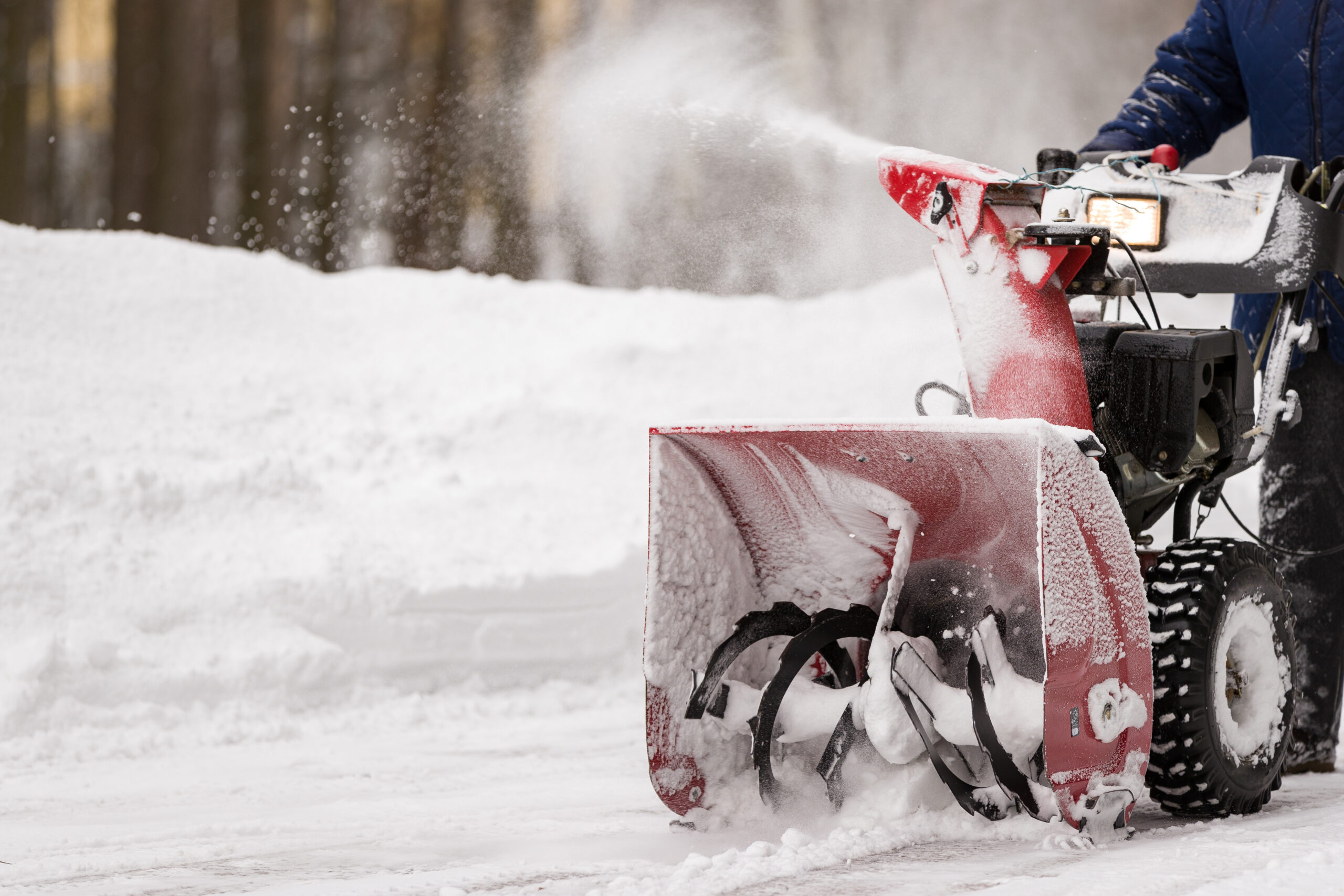
Snow throwers are a common sight in driveways across America every winter — but the U.S. Consumer Product Safety Commission (CPSC) warns they are responsible for serious injuries and deaths every year, including finger amputations, entrapment deaths, and carbon monoxide poisoning. CPSC has received reports of thousands of snow thrower injuries including finger amputations. People have died after becoming caught in the machine, and others have died from carbon monoxide poisoning resulting from leaving the engine running in an enclosed space. The injuries most frequently occur when consumers tried to clear the auger, collector, or discharge chute with their hands.
The Most Common — and Most Dangerous — Mistake
The single most preventable snow thrower injury occurs when a user reaches into the auger or discharge chute to clear a clog with their hands. Many users assume the auger has stopped rotating when the machine appears jammed or stalled — but the auger can still be under tension and can suddenly release, causing catastrophic hand and finger injuries including amputations. This mistake accounts for the majority of serious snow thrower injuries every year. A long stick, broom handle, or similar tool should always be used to clear debris — never your hands.
Safety Tips
- Always stop the engine completely and wait for all moving parts to come to a full stop before attempting to clear a clog, jam, or debris from any part of the snow thrower.
- Use a long stick or similar tool to unclog wet snow and debris — never use your hands, even when the engine is off.
- Always keep hands and feet away from all moving parts while the machine is running.
- Never leave the snow thrower engine running in an enclosed area such as a garage, shed, or covered porch. Carbon monoxide from the engine is colorless and odorless and can build up to deadly levels within minutes.
- Add fuel to the tank outdoors before starting the machine. Never add gasoline to a running or hot engine — wait at least two minutes after stopping the engine before refueling.
- Always keep the gasoline can capped after use and store gasoline outside the home and away from ignition sources.
- If you use an electric-powered snow thrower, be aware of where the power cord is at all times to prevent running over it.
- Keep children and bystanders away from the operating area at all times.
- Inspect the machine regularly for loose or missing safety guards, loose nuts, bolts, and fasteners. Always refer to the owner’s manual for maintenance instructions.
- Never modify the safety guards or mechanisms on a snow thrower.
To report a dangerous snow thrower or a product-related injury, visit SaferProducts.gov or call CPSC’s Hotline at 800-638-2772.
Source: https://www.cpsc.gov/safety-education/safety-guides/outdoors-and-garden/snow-thrower-safety