

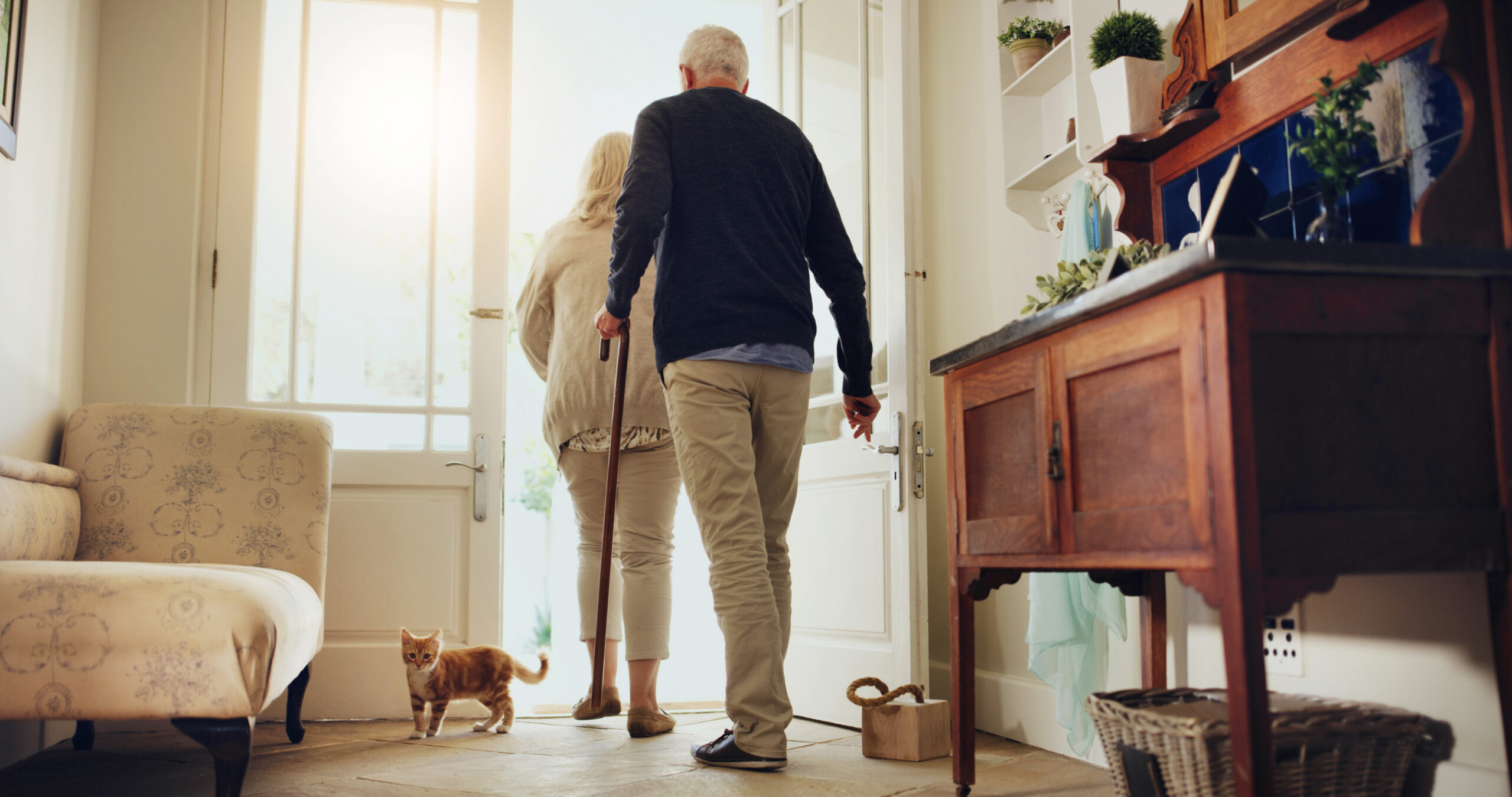
When someone in the home is sick, injured, or managing a chronic condition, the focus is naturally on their health but the U.S. Consumer Product Safety Commission (CPSC) warns that the home itself can become more dangerous during periods of illness and caregiving. Simple, familiar items that pose little risk to healthy adults become significant hazards when mobility is reduced, when medications affect alertness, or when a caregiver is fatigued and less attentive than usual.
Falls: The Leading Danger
Falls are the leading cause of both deaths and injuries among adults 65 and older, and the risk increases dramatically when someone is unwell, recovering from illness or surgery, or taking medications that affect balance or alertness. About two-thirds of all hospital emergency room visits by older people involve falls. Products most commonly associated with fall injuries at home include flooring, stairs and steps, and beds.
Specific hazards to address in a home where someone is ill or recovering include:
- Loose rugs and floor mats — remove them or secure all edges with non-skid backing
- Cluttered pathways — clear all floors, hallways, and paths to the bathroom of any items that could be tripped over, including medical equipment, cords, and bags
- Stairways — ensure handrails are securely installed on both sides; keep stairs well lit and free of clutter
- Bathrooms — install grab bars near the toilet and in the shower or bathtub; use slip-resistant mats inside and outside the tub or shower
Medication and Chemical Safety
Homes caring for someone who is ill often have more medications present than usual — both prescription and over-the-counter. Keep all medications in child-resistant containers, stored out of sight and reach of children. Never leave medication on counters, tables, or nightstands where young visitors or confused elderly family members could access them.
Fire and CO Safety for Bedridden or Mobility-Limited Individuals
For someone who is bedridden or has limited mobility, the window for safely escaping a fire is dramatically reduced. CPSC recommends:
- Ensure working smoke alarms are installed in every bedroom and outside sleeping areas, and test them monthly
- Ensure working carbon monoxide alarms are installed outside every sleeping area
- Develop and discuss a fire escape plan that accounts for anyone who may need assistance leaving the home
- Never leave a space heater running near bedding or flammable materials
- If someone smokes, never allow smoking in bed under any circumstances
To report a dangerous product or a product-related injury, visit SaferProducts.gov or call CPSC’s Hotline at 800-638-2772.
Source: https://www.cpsc.gov/Safety-Education/Safety-Education-Centers/Older-Adult-Safety