

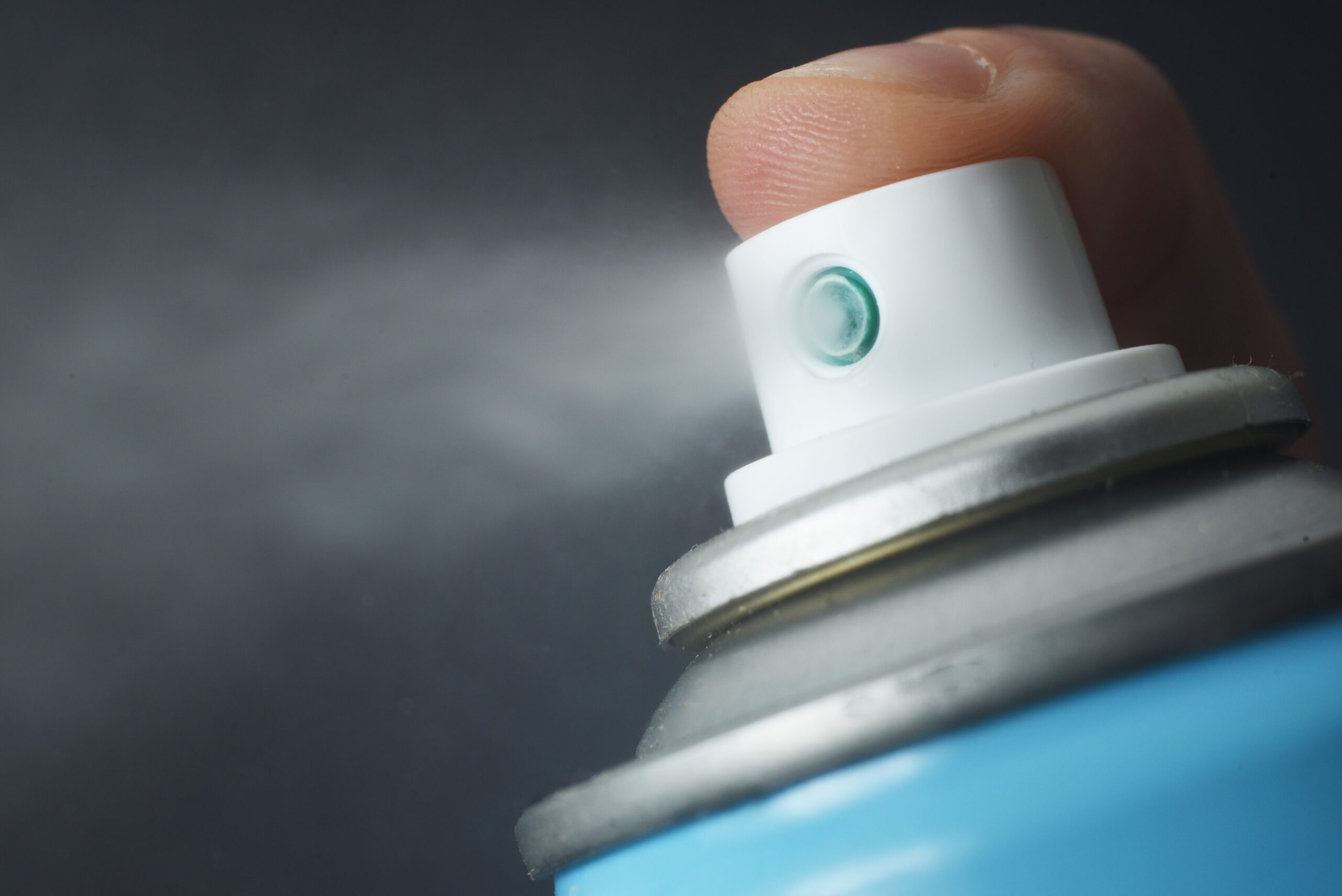
Inhalant abuse can kill on the very first use, and the U.S. Consumer Product Safety Commission (CPSC) warns that the products being abused are sitting in homes and classrooms across America right now. Hundreds of people have died and thousands have been injured from inhaling common household aerosol and chemical products. What makes this hazard uniquely terrifying is that death can occur suddenly and without any warning, even in someone who has never abused inhalants before.
What Is Inhalant Abuse
Inhalant abuse is the deliberate sniffing, bagging, or huffing of common household and consumer products to obtain a temporary high. Products abused include aerosol dusters and canned air, glues and adhesives, spray paints, nail polish remover, paint thinner, butane lighter fluid, gasoline, cooking sprays, deodorants, and household cleaners. Unlike most illicit drugs, these products are not legally classified as drugs, they are sold openly at hardware stores, pharmacies, and online, making them uniquely accessible to young people.
The effects of inhalant abuse include nausea, forgetfulness, inability to see clearly, and loss of control of the body. Long-term abuse can severely damage the brain, heart, liver, and kidneys. But the most acute danger requires no long-term use at all.
Sudden Sniffing Death
Sudden Sniffing Death can occur during or immediately after a single episode of inhalant use. The inhaled chemical causes the heart to overwork which can lead to sudden cardiac arrest. Even first-time abusers have died from Sudden Sniffing Death. CPSC is considering regulatory action on aerosol duster products, which CPSC data identify as the primary inhalant involved in reported deaths.
Who Is Most at Risk
Inhalant abuse is especially prevalent among adolescents aged 12 to 17 making it one of the few substance abuse problems where the peak risk occurs before high school. The federal Substance Abuse and Mental Health Services Administration reports that inhalant abuse rates among this age group are higher than most other illicit substances.
Warning Signs
- Unusual breath odor or chemical smell on clothing
- Slurred, disoriented, or slowed speech
- Drunk, dazed, or dizzy appearance without alcohol use
- Paint, chemical stains, or residue on the face or fingers
- Red or runny eyes or nose
- Spots or sores around the mouth
- Nausea or loss of appetite
- Hidden aerosol cans, chemical-soaked rags, or plastic bags
What Parents and Caregivers Should Do
- Talk to children and teenagers directly and clearly about the lethal dangers of inhalant abuse, including that death can happen on the very first use.
- Be aware of which household products can be abused and store them securely out of reach of children where possible.
- Take warning signs seriously and seek professional help immediately if you suspect inhalant abuse.
To report a dangerous product or a product-related injury, visit SaferProducts.gov or call CPSC’s Hotline at 800-638-2772.