

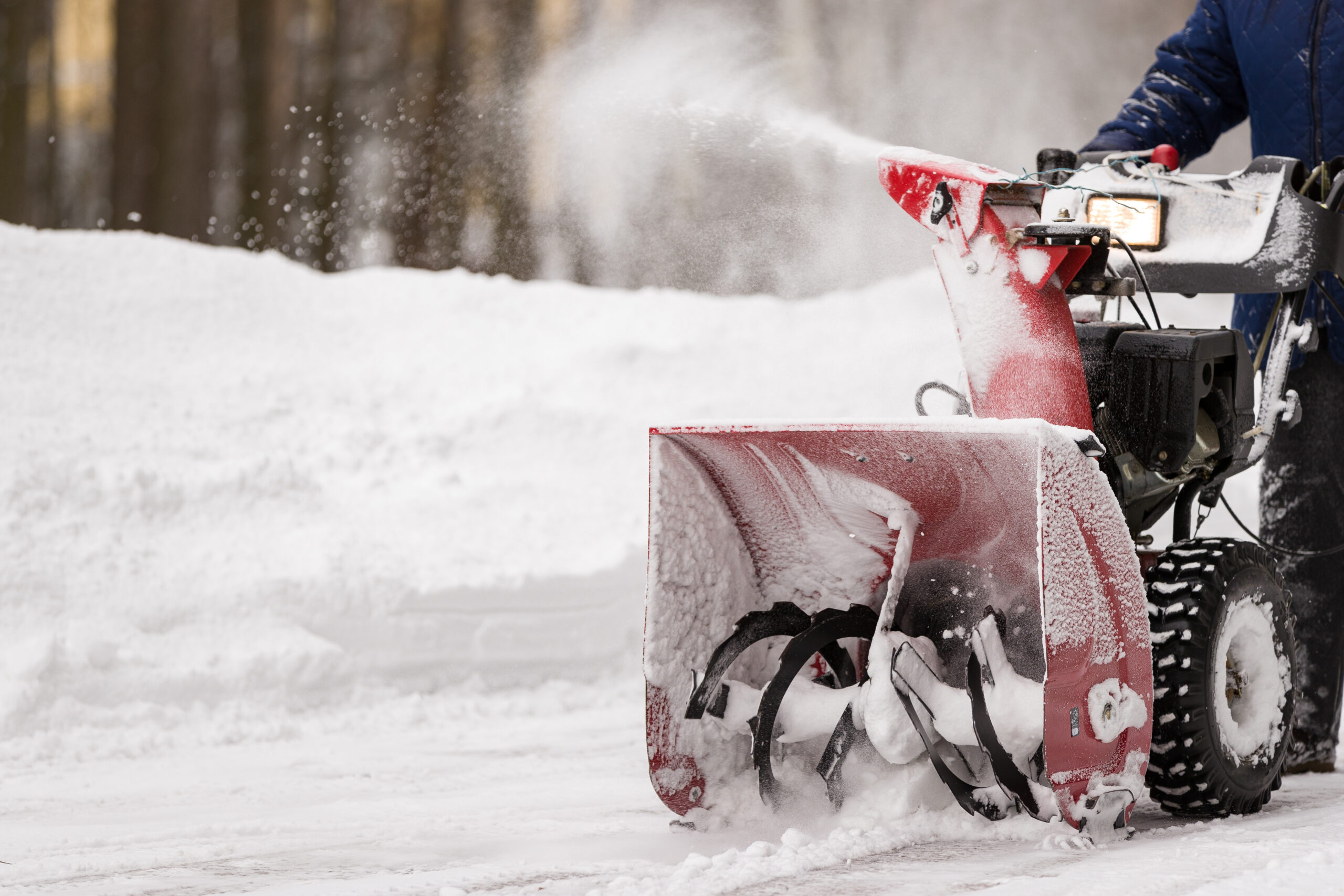
Every winter, Americans make a mistake that kills: running a gas-powered snow blower inside the garage. The U.S. Consumer Product Safety Commission (CPSC) warns that gas-powered snow blowers, like all combustion engines, produce carbon monoxide — an invisible, odorless gas that accumulates to lethal levels inside an enclosed space within minutes, even when the garage door is fully open.
Why an Open Door Is Not Enough
The most dangerous assumption homeowners make is that an open garage door provides enough ventilation. It does not. Carbon monoxide is produced continuously by a running engine and can build up in a garage faster than natural airflow disperses it. CO enters the home through gaps around doors, air vents, and shared walls between the garage and living areas — exposing sleeping family members who have no idea the engine is running outside.
CPSC warns that CO poisoning symptoms — headache, dizziness, nausea, confusion — are often mistaken for the flu, leading to dangerous delays in seeking help. Victims can lose consciousness before realizing what is happening. A running snow blower, generator, or any gas-powered engine should never be operated inside a garage, shed, or any enclosed structure, regardless of whether the door is open.
Additional Snow Blower Hazards
Beyond CO, CPSC identifies two other major snow blower hazards. First, finger amputations from reaching into a clogged auger — one of the most common and severe snow blower injuries. Never use your hands to clear a snow blower jam. Always turn off the engine, wait five seconds for the auger to stop completely, then use a clearing tool.
Second, carbon monoxide hazard applies equally to any gas-powered equipment run near the home, including generators, pressure washers, and lawn equipment started in garages or carports during winter. The same rule applies to all of them.
Operating Rules
- Never run a gas-powered snow blower inside a garage, carport, shed, or any enclosed space. Move it completely outside first.
- Never run any gas-powered equipment with the garage door open and the equipment near the opening — CO can still enter the home.
- Install battery-powered CO alarms on every level of the home and outside every sleeping area. Test them monthly.
- Never use your hands to clear a snow blower jam. Shut off the engine and wait before using a clearing tool.
- Keep children and bystanders away from snow blowers at all times during operation.
To report a dangerous product or a product-related injury, visit SaferProducts.gov or call CPSC’s Hotline at 800-638-2772.
Source: https://www.cpsc.gov/Safety-Education/Safety-Guides/Lawn-and-Garden/Snow-Throwers