
CDC: Cannabis Health Effects
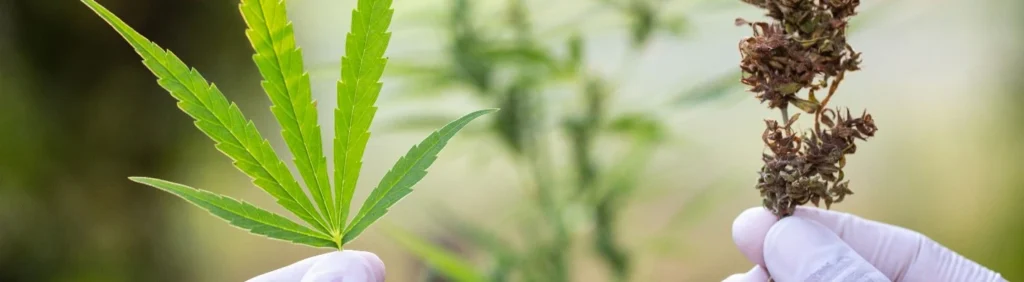
KEY POINTS How cannabis can affect your health Cannabis is the most commonly used federally illegal drug in the United States, with an estimated 61.9 million people using it in 2022. Cannabis use may have a wide range of health effects on the body and brain. Click on the sections below to learn more about how cannabis […]
CDC: Medications That Can Interact With Alcohol
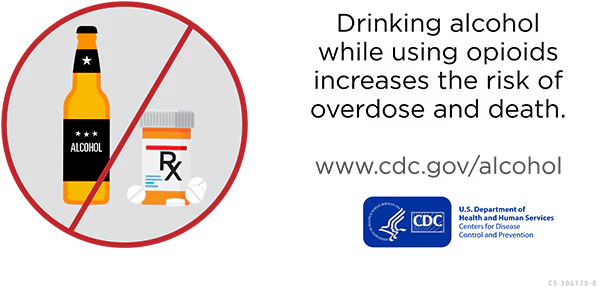
KEY POINTS Background It can be dangerous to use two or more drugs at the same time, or within a short time of each other. Alcohol and other drug use This includes drinking alcohol and taking other drugs, such as: Over-the-counter or prescribed medicines Drinking alcohol and taking certain medicines that are over-the-counter or prescribed […]
FDA: GMO Crops, Animal Food, and Beyond

Am I eating foods that come from GMO crops? It is very likely you are eating foods and food products that are made with ingredients that come from GMO crops. Many GMO crops are used to make ingredients that Americans eat such as cornstarch, corn syrup, corn oil, soybean oil, canola oil, or granulated sugar. […]
CDC: Rethink Your Drink

WHAT TO KNOW Sugary drinks are the leading source of added sugars in the American diet. People who often drink sugary drinks are more likely to experience health problems. These problems include weight gain, obesity, type 2 diabetes, heart disease, cavities, and gout, a type of arthritis. Learn how to rethink your drink. Sugar and […]
CDC: About Moderate Alcohol Use

KEY POINTS Moderate drinking Moderate alcohol use is: Compared with drinking excessively, moderate drinking reduces your risk of negative health effects. What the Dietary Guidelines say about moderate alcohol use The Dietary Guidelines for Americans recommends that adults of legal drinking age (21 or older) should not drink alcohol or drink in moderation if they choose to drink alcohol. Lowering your […]
FDA: The Sun and Your Medicine

What is Sun Protection Factor? When shopping for a sunscreen, consumers are faced with many choices. These choices include the sun protection factor (SPF) value. The SPF is a measure of how much sunlight (UV radiation) is needed to develop sunburn after a sunscreen has been applied, compared to the amount of UV radiation required […]
CDC: Breast Cancer Risk Factors

KEY POINTS Overview Studies have shown that your risk for breast cancer is due to a combination of factors. The main factors that influence your risk include being a woman and getting older. Most breast cancers are found in women who are 50 years old or older. Some women will get breast cancer even without […]
CDC: Home-Canned Foods

KEY POINTS Foodborne botulism You cannot see, smell, or taste the toxin that causes botulism. But taking even a small taste of food containing the toxin can be deadly. Common sources of foodborne botulism are homemade foods that have been improperly canned, preserved, or fermented. Though uncommon, store-bought foods also can be contaminated with botulinum toxin. Use […]
FDA: ‘Gluten-Free’ Means What It Says

Not long ago, gluten-free foods on the grocery shelves could be hard to find. Not so much, now. The U.S. Food and Drug Administration wants you to know that foods labeled as “gluten-free” and with similar terms such as “without gluten,” “free of gluten,” and “no gluten” must meet specific criteria set by the FDA […]
CDC: Climate and Fungal Diseases
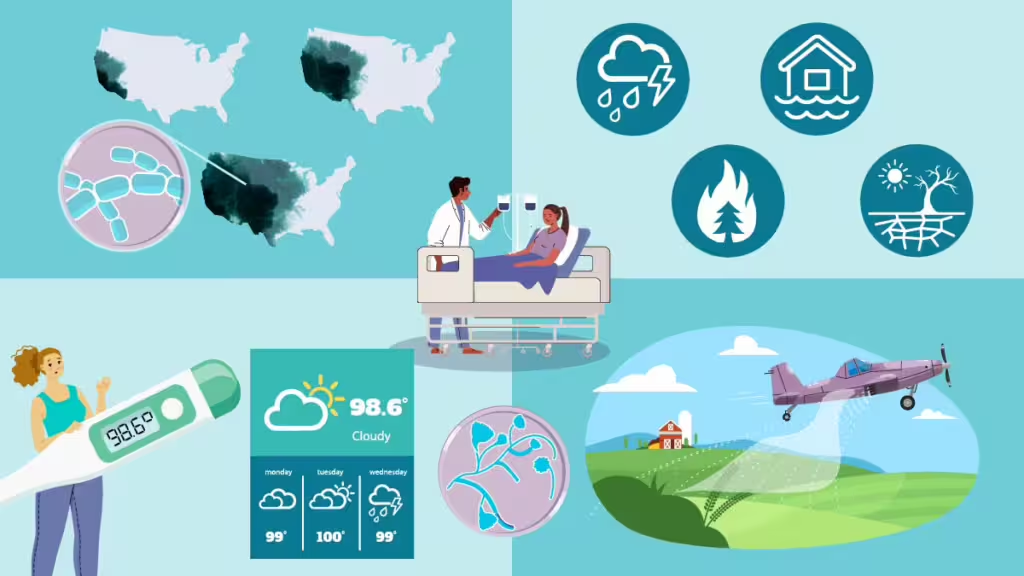
AT A GLANCE Changes in climate and weather patterns cause fungi to adapt over time. Some disease-causing fungi may start to live in expanded geographic areas that become suitable environments for their survival. New types of fungal infections can emerge if fungi adapt to warmer temperatures and can survive in and infect the human body. […]