
FDA: Aspirin – Questions and Answers

What are the different uses for aspirin? What does this mean for doctors and medical practice? Doctors and health care professionals will be provided with full prescribing information about the use of aspirin in both men and women who have had a heart attack, stroke, certain other cardiovascular conditions and rheumatologic diseases. For stroke and […]
CDC: About Workplace Violence

Key points What it is Workplace violence is the act or threat of violence. It ranges from verbal abuse to physical assaults directed toward people at work or on duty. Violence can occur in any workplace and among any type of worker. The impact of workplace violence can range from psychological issues to physical injury, […]
FDA: Over-the-Counter Medicines, What’s Right for You?
American medicine cabinets contain a growing choice of nonprescription, over-the-counter (OTC) medicines to treat an expanding range of ailments. OTC medicines often do more than relieve aches, pains and itches. Some can prevent diseases like tooth decay, cure diseases like athlete’s foot and, with a doctor’s guidance, help manage recurring conditions like vaginal yeast infection, […]
CDC: Treatment of FASDs

Key points Treatment overview Children with FASDs can have impairments in learning, memory, behavior, social interactions, or combinations of these impairments. Some children have poor growth, including reduced head size. Some children with FASDs have minor facial features that reflect problems in brain growth before birth. These symptoms and features can range from mild to […]
FDA: Biosimilars Basics for Patients

What patients need to know What is a biosimilar medication? A biosimilar is a biologic medication. It is highly similar to a biologic medication already approved by FDA – the original biologic (also called the reference product). Biosimilars also have no clinically meaningful differences from the reference product. This means you can expect the same safety and effectiveness […]
CDC: Overcoming Barriers to Physical Activity

Key points Lack of time Lack of social support Lack of energy Lack of motivation Fear of injury Lack of skill High cost and lack of facilities Weather conditions Source: https://www.cdc.gov/physical-activity-basics/overcoming-barriers/index.html
FDA: Tips for Talking with Your Pharmacist About Using Medicines Safely

Your pharmacist can help you learn how to use your prescription and nonprescription (over-the-counter) medicines safely and effectively. You can also use these tips when talking with your other healthcare providers. Tell your pharmacist Ask your pharmacist Before you leave the pharmacy after picking up your prescription Source: https://www.fda.gov/drugs/tips-seniors/stop-learn-go-tips-talking-your-pharmacist-learn-how-use-medicines-safely
CDC: How Lyme Disease Spreads

Key points How it spreads The bacteria that cause Lyme disease in the United States, Borrelia burgdorferi and, rarely, B. mayonii, are spread to people through the bites of infected ticks. The blacklegged tick (or deer tick, lxodes scapularis) transmits infection in the northeastern, mid-Atlantic, and north-central United States. The western blacklegged tick (lxodes pacificus) transmits infection in areas […]
FDA: Don’t Be Tempted to Use Expired Medicines
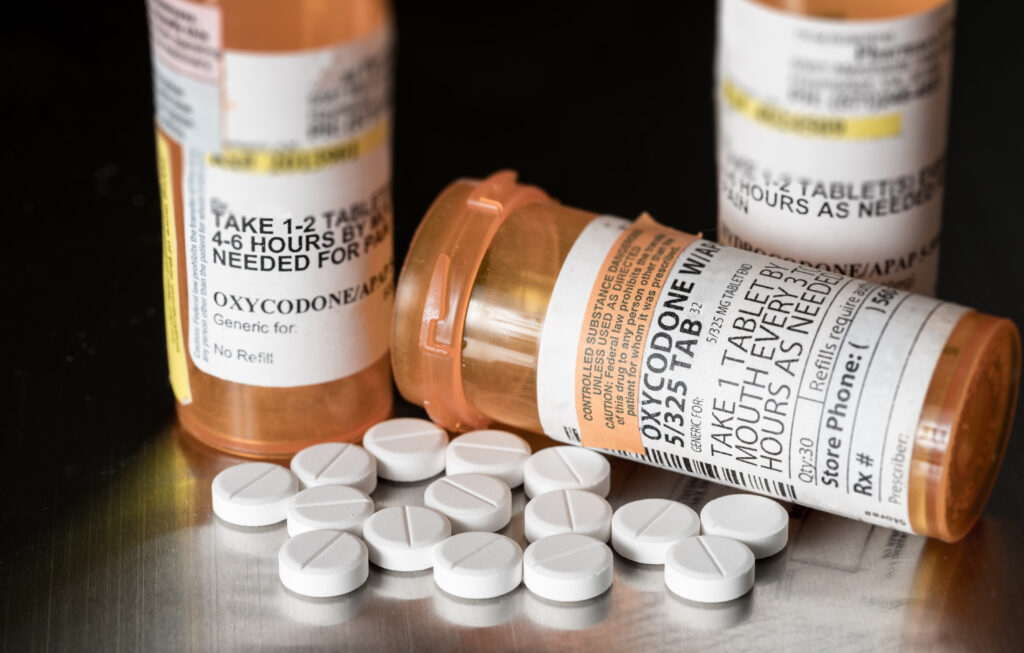
Taking expired (out-of-date) drugs carries certain risks Out with the old! Be it the fresh start of a new year or a spring cleaning, consumers are encouraged to take stock of what has surpassed its usefulness. Medicines are no exception. In 1979, the U.S. Food and Drug Administration began requiring an expiration date on prescription […]
CDC: Foods and Drinks to Avoid or Limit in Infants

AT A GLANCE Healthy eating is all about balance. Infants can begin eating complementary foods around 6 months. For children 6 months and older, some foods and drinks are not safe. Some foods and drinks are less healthy choices. Foods to avoid or limit Honey before 12 months Honey given to children younger than 12 […]