

Most people know carbon monoxide is dangerous — but few realize it can be produced silently and lethally by the appliances already running inside their home. The U.S. Consumer Product Safety Commission (CPSC) warns that carbon monoxide (CO) is a colorless, odorless, poisonous gas produced by the incomplete burning of fuels including natural gas, propane, kerosene, oil, coal, and wood. On average, more than 200 people in the United States die every year from CO produced by non-automotive consumer products. These include malfunctioning fuel-burning appliances such as furnaces, ranges, water heaters, and room heaters, as well as fireplaces and charcoal burned in enclosed areas.
Which Appliances Pose the Greatest Risk
Any fuel-burning appliance in your home can produce deadly CO under the wrong conditions. The most common sources of CO poisoning from household appliances include:
- Furnaces and boilers — a cracked heat exchanger or blocked flue can allow CO to enter the living space
- Gas ranges and ovens — never use a gas oven for home heating; even brief, repeated use can allow CO to build up
- Water heaters — loose or disconnected vent pipes can leak CO directly into the home
- Fireplaces and wood stoves — blocked or cracked chimneys prevent toxic gases from escaping
- Room heaters — unvented fuel-burning heaters are particularly dangerous because they require a constant fresh air supply to operate safely
Know the Symptoms
The initial symptoms of CO poisoning are similar to the flu and are frequently misdiagnosed. Symptoms include headache, fatigue, shortness of breath, nausea, and dizziness. If you experience these symptoms while at home and they improve when you leave, CO poisoning may be the cause. Get outside immediately and call your fire department from a neighbor’s home. Do not re-enter until a qualified technician has inspected and cleared your appliances.
What You Should Do
- Schedule a yearly professional inspection of all fuel-burning home heating systems, including furnaces, boilers, fireplaces, wood stoves, water heaters, chimneys, flues, and vents. This is the single most effective step you can take to prevent CO poisoning at home.
- Have all vents checked to make sure they are not loose, disconnected, cracked, or blocked. Birds, insects, and animals sometimes nest in vents and block exhaust gases from escaping.
- Never use a gas or electric stove to heat the home. They are not designed for that purpose and can pose both a CO and fire hazard.
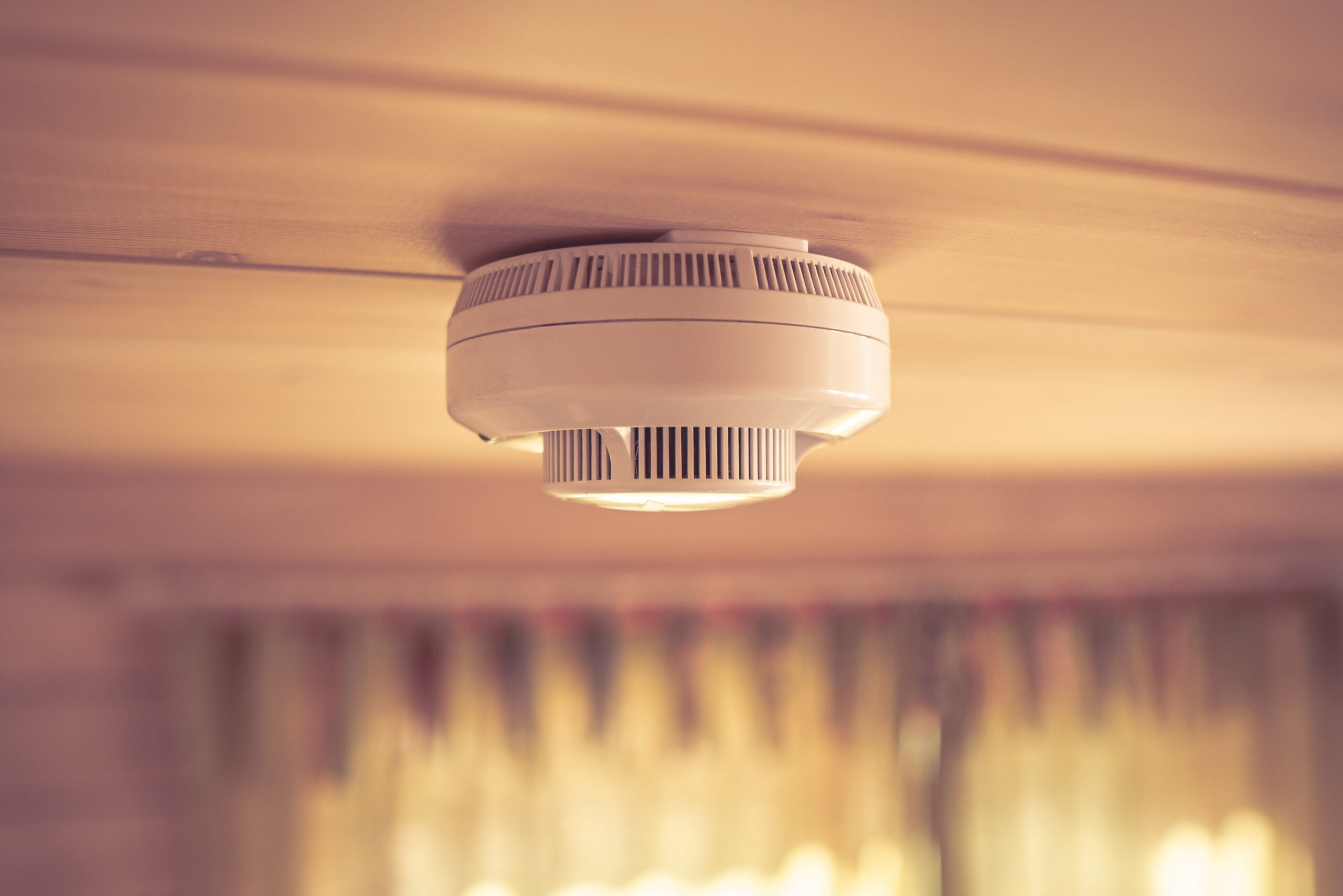
- Install CO alarms on every level of the home and outside sleeping areas. Use battery-operated alarms or alarms with battery backup. Test alarms monthly and replace batteries at least once a year. Interconnected alarms are best — when one sounds, they all sound.
- If your CO alarm activates, leave the home immediately, call the fire department, and do not return until a qualified appliance technician has inspected all fuel-burning equipment.
To report a dangerous appliance or a product-related injury, visit SaferProducts.gov or call CPSC’s Hotline at 800-638-2772.
Source: https://www.cpsc.gov/safety-education/safety-guides/carbon-monoxide/carbon-monoxide-fact-sheet