

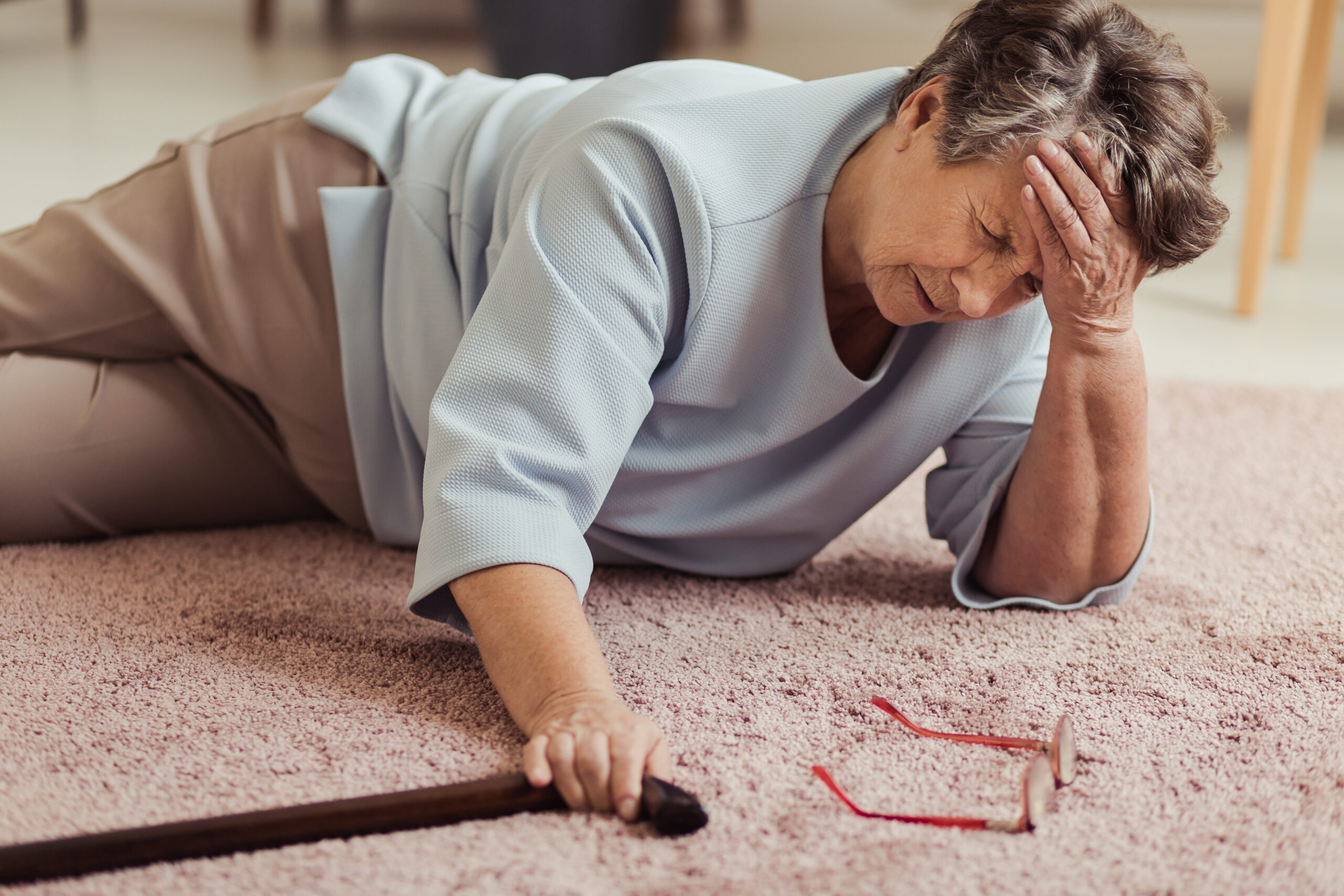
Falls are serious and costly
- One out of 10 falls results in an injury that causes the older adult to restrict their activities for a day or more or to seek attention from the healthcare system.
- Each year, there are about 4.5 million emergency department visits due to older people falls, resulting in 3.1 million treated and released and 1.4 million hospitalizations.
- 83% of hip fracture deaths and 88% of emergency department visits and hospitalizations for hip fractures were caused by falls.
- Each year, nearly 319,000 older people are hospitalized for hip fractures.
- Falls are the most common cause of traumatic brain injuries for older adults (TBI).
Conditions that make you more likely to fall
Research has identified many conditions that contribute to falling. These are called risk factors. Many risk factors can be changed or modified to help prevent falls. They include:
- Lower body weakness
- Vitamin D deficiency (that is, not enough vitamin D in your body)
- Difficulties with walking and balance
- Use of medicines, such as tranquilizers, sedatives, or antidepressants. Even some over-the-counter medicines can affect balance and how steady you are on your feet.
- Vision problems
- Foot pain or poor footwear
- Home hazards or dangers, such as:
- Broken or uneven steps
- Throw rugs or clutter that can be tripped over
Most falls are caused by a combination of risk factors. The more risk factors a person has, the greater their chances of falling.
Healthcare providers can help cut down a person’s risk by reducing the fall risk factors listed above with fall prevention interventions in both clinical and community settings.
After a fall
Many falls do not cause injuries. While not all falls result in an injury, about 37% of those who fall reported an injury that required medical treatment or restricted their activity for at least one day. These injuries can make it hard for a person to get around, do everyday activities, or live on their own.
- Falls can cause broken bones, like wrist, arm, ankle, and hip fractures.
- Falls can cause head injuries. These can be very serious, especially if the person is taking certain medicines (like blood thinners). An older person who falls and hits their head should see their doctor right away to make sure they don’t have a brain injury.
- Many people who fall, even if they’re not injured, become afraid of falling. This fear may cause a person to cut down on their everyday activities. When a person is less active, they become weaker and this increases their chances of falling.
Source: https://www.cdc.gov/falls/data-research/facts-stats/index.html