
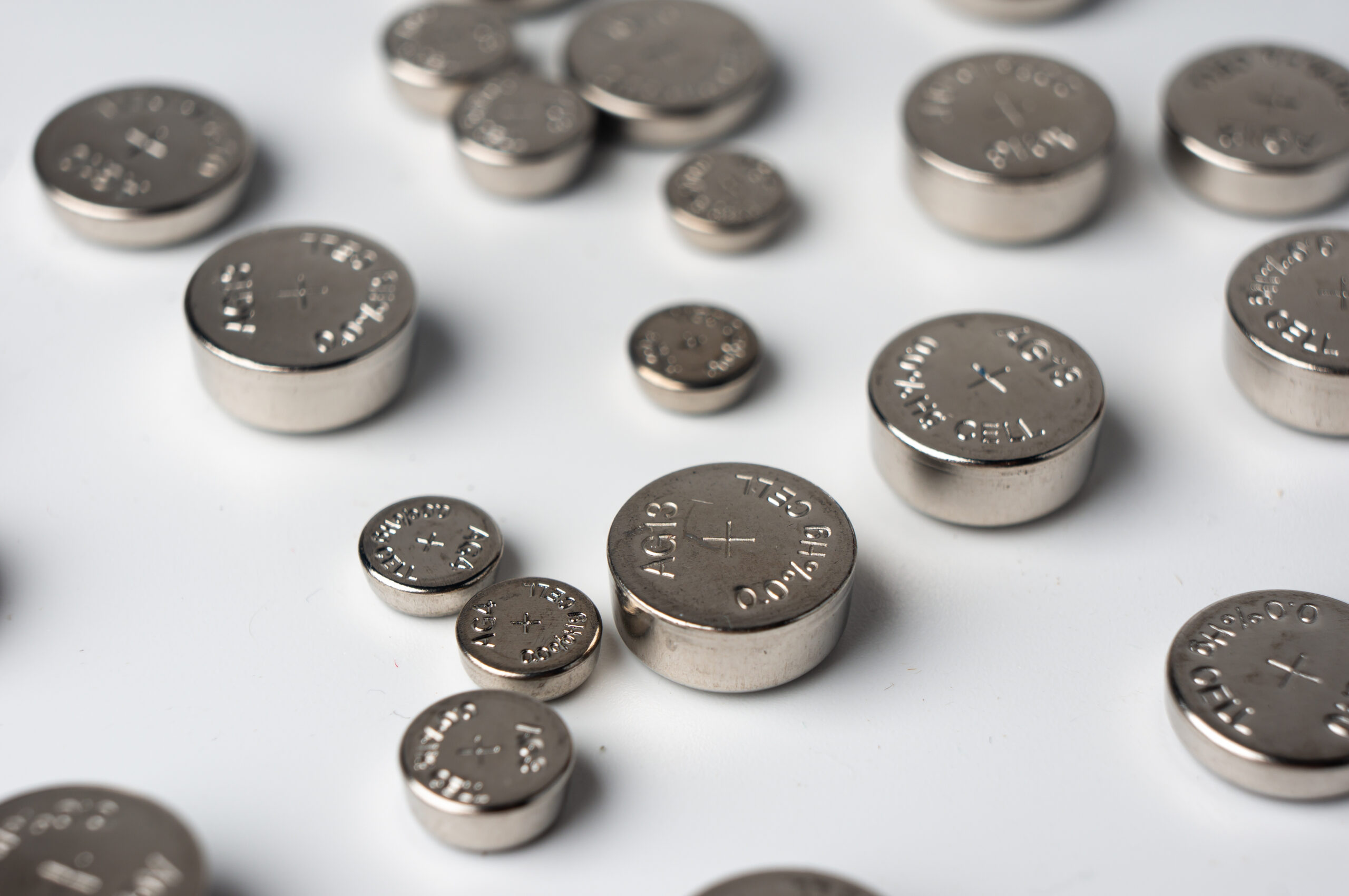
Button cell and coin batteries — the small, disc-shaped batteries found in thousands of household products — can burn through a child’s throat in as little as two hours if swallowed, and over 70 children have died from button battery ingestion in the United States. The U.S. Consumer Product Safety Commission (CPSC) warns that button battery-related incidents resulting in severe injury and fatality have increased sevenfold since 1985, driven by the explosion of small consumer electronics that contain these batteries. In recent years alone (2016–2021), at least 27 children died after swallowing button batteries.
Why Button Batteries Are So Deadly
When a button battery becomes lodged in a child’s throat or esophagus, the battery’s electrical current reacts with saliva to generate hydroxide — a caustic chemical that rapidly burns through tissue. Because the symptoms of button battery ingestion — upset stomach, fever, vomiting — closely mimic common childhood illnesses, more than 60 percent of cases are initially misdiagnosed. This diagnostic delay is often fatal: serious and irreversible tissue damage can occur within two hours, and death can follow before parents even realize what has happened.
Where Button Batteries Hide in Your Home
Button batteries are present in a far wider range of products than most parents realize, including:
- Remote controls for TVs, fans, and cameras
- Keyless entry remotes and key fobs
- Musical greeting cards
- Toys, games, and calculators
- Digital scales, digital thermometers, and bathroom scales
- Watches and clocks
- Hearing aids
- Flameless tea lights and decorative lights
- Flashing jewelry and light-up shoes
- Smart home devices
Young children gain access to these batteries directly from everyday household items left within reach. Senior adults have also swallowed button batteries after mistaking them for pills or tablets — always visually confirm medications before taking them.
Reese’s Law: New Federal Protections
Following years of advocacy by parents of children killed by button batteries, Congress passed Reese’s Law (August 16, 2022), directing CPSC to establish performance and warning label requirements for all consumer products containing button cell or coin batteries. The new standard requires that battery compartments be secured so children cannot access them, and that products carry specific warnings.
What You Should Do
- Keep all remotes, electronics, and products with accessible button batteries away from children if the battery compartments do not have a screw closure.
- Inspect battery compartments regularly. If a compartment is damaged or loose, replace, repair, or dispose of the product immediately.
- Toys with button batteries are required by law to have a secure closure requiring a tool to open — check that all toys in your home comply.
- Do not allow children to play with or handle button batteries under any circumstances.
- If you suspect a child has swallowed a button battery, go to the emergency room immediately — do not wait for symptoms. Call the National Battery Ingestion Hotline at 800-498-8666 or the Poison Help Line at 800-222-1222.
- For children 12 months and older who have ingested a button battery within the past 12 hours, the National Capital Poison Center recommends giving 10mL of honey every 10 minutes on the way to the emergency room to reduce injury. Do not give honey to children under 12 months. Do not delay going to the emergency room.
To report a dangerous product or a product-related injury, visit SaferProducts.gov or call CPSC’s Hotline at 800-638-2772.