
Every summer, thousands of Americans are treated in emergency rooms for severe burn injuries caused by a hazard most people never see coming — invisible vapors from flammable liquids. The U.S. Consumer Product Safety Commission (CPSC) warns that vapors from gasoline, charcoal lighter fluid, kerosene, ethanol, and other liquid fuels are highly flammable, completely invisible, and unpredictable. Each year, thousands of emergency department-treated injuries are related to flammable liquids. Of the people injured, 87 percent were male, and most incidents involve a flammable liquid used on an outside fire such as burning trash, a bonfire, or a brush fire.
Why Vapors Are So Dangerous
Most people understand that liquid fuel is flammable — but fail to account for the vapor. Flammable liquid vapors travel invisibly through the air and can ignite from a spark or open flame several feet away from the liquid itself. During outside use, the wind can unexpectedly change direction, sending vapors toward you when you attempt to light a fire. If you pour a flammable liquid near an old fire that appears to be out, the fire could immediately re-ignite and follow the vapors back to you and the container — causing a flash explosion or severe burns.
Flame Jetting: A Deadly Container Hazard
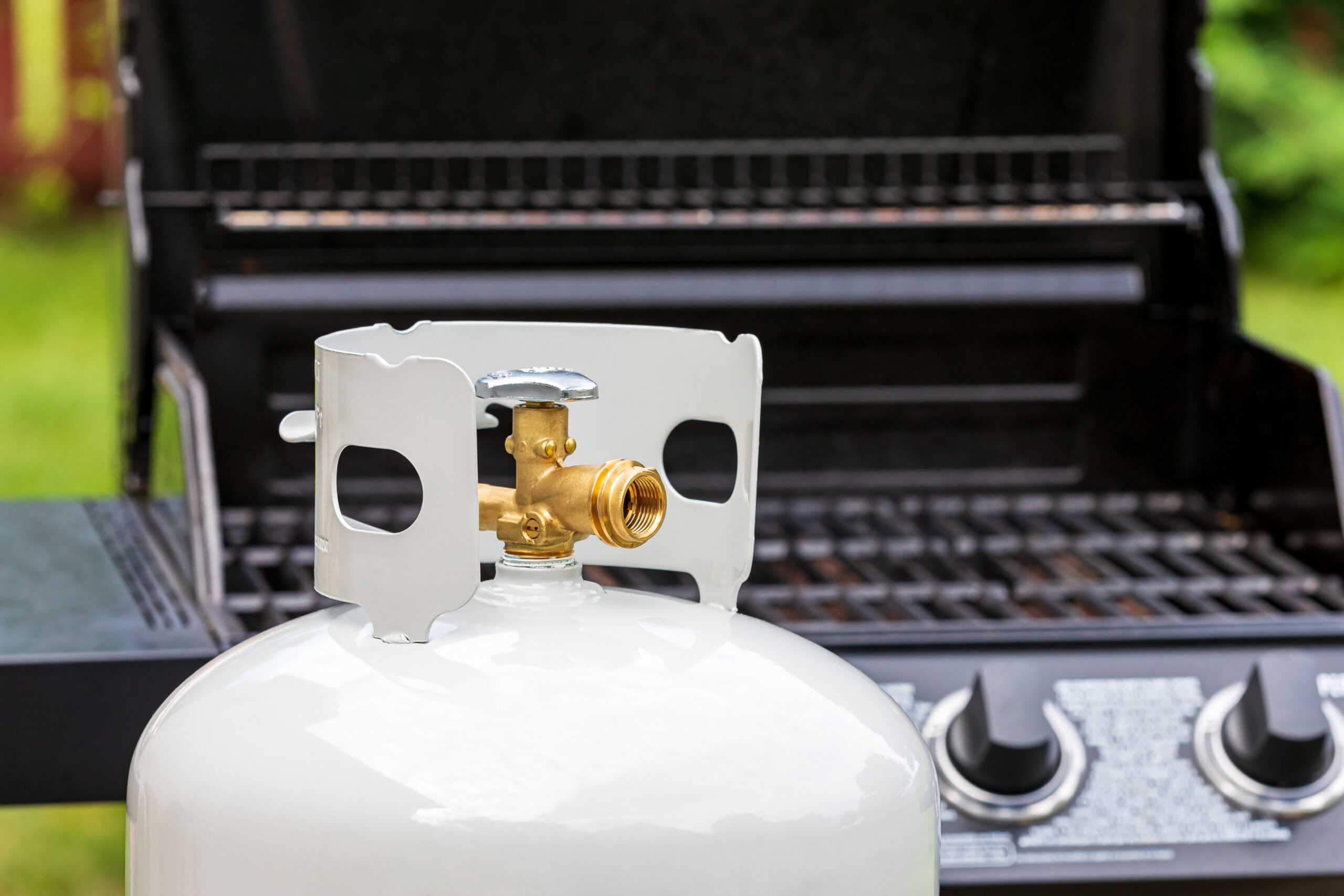
When a flammable liquid container is used near an open flame, vapors can ignite and flash back into the container, causing a violent flame explosion called flame jetting — a blowtorch-like effect that propels burning vapor and liquid onto anyone nearby. CPSC has made flame mitigation devices mandatory on new portable fuel containers sold in the United States since July 2023 to prevent this hazard. However, older containers may not have these devices.
Safety Tips
- Never use gasoline or other flammable liquids to start or re-light a fire. Only use appropriate fire starters.
- Make sure a flammable liquid container is completely closed and moved away from the area before lighting any fire.
- Never pour flammable liquid onto an old fire that could still be hot — even if you cannot see a flame, the fire may still be smoldering.
- Never store flammable liquids or gasoline-powered equipment inside a home, utility room, or garage where vapors could be ignited by a spark or flame from gas-fired appliances such as clothes dryers, furnaces, or older water heaters.
- Do not refuel power equipment with the engine running. Turn the engine off and wait at least two minutes before refueling.
- When refilling lighters, test the lighter away from the fill area. If there is a spill, clean the area and wash your hands before testing the lighter.
- Do not wipe flammable liquids from your hands onto clothing. Spot clean and line dry clothes if flammable liquids are spilled — never machine wash or dry them, as residues remain flammable.
- Buy a gas can or portable fuel container with a child-resistant closure and keep it out of reach of children.
- Never permit children to play with matches or fuel.
To report a dangerous product or a product-related injury, visit SaferProducts.gov or call CPSC’s Hotline at 800-638-2772.