That safety certification label on the product you just bought may be completely fake — and the U.S. Consumer Product Safety Commission (CPSC) is now running a national crackdown to stop it. In May 2026, CPSC launched a major enforcement initiative targeting the use of counterfeit certification marks used to sell dangerous consumer products in the United States. Bad actors are increasingly using fake UL, ETL, and other certification marks to evade U.S. safety requirements, mislead consumers, and move hazardous products through e-commerce platforms. Many of these products originate overseas, with Chinese manufacturers accounting for roughly one-third of the products under CPSC’s jurisdiction but nearly three-quarters of the violations CPSC identifies.
What Fake Safety Labels Mean for Consumers
A real safety certification mark — such as the UL (Underwriters Laboratories) seal — means a product has been independently tested and verified to meet specific safety standards. A fake label means none of that testing happened. Products with counterfeit marks have not been verified for electrical safety, fire resistance, structural integrity, or any other safety requirement. CPSC has recalled more than one million counterfeit electrical products in recent years, including circuit breakers that did not trip when overloaded, cell phone batteries without safety devices to prevent overcharging, and extension cords with undersized wiring that overheated.
In 2025, CPSC withdrew accreditation from four China-based testing laboratories after finding they had issued unreliable and falsified test results that could have allowed hazardous products into the U.S. market. CPSC has also issued major warnings in 2025 and 2026 against dangerous imported products with fake or missing certifications, including lead-leaching kitchen and bathroom faucets, counterfeit children’s toys posing choking hazards, and non-compliant electrical appliances.
The Amazon Problem
In 2024, CPSC found Amazon legally responsible under federal safety law for hazardous products sold by third-party sellers on Amazon.com, ruling that Amazon is a “distributor” that bears responsibility for recalling dangerous products. Amazon has since issued recalls and notifications for affected products, but the volume of non-compliant products entering the U.S. market through e-commerce channels remains massive. CPSC has issued more than 106,000 takedown notices to online sellers in 2026 alone.
How to Protect Yourself
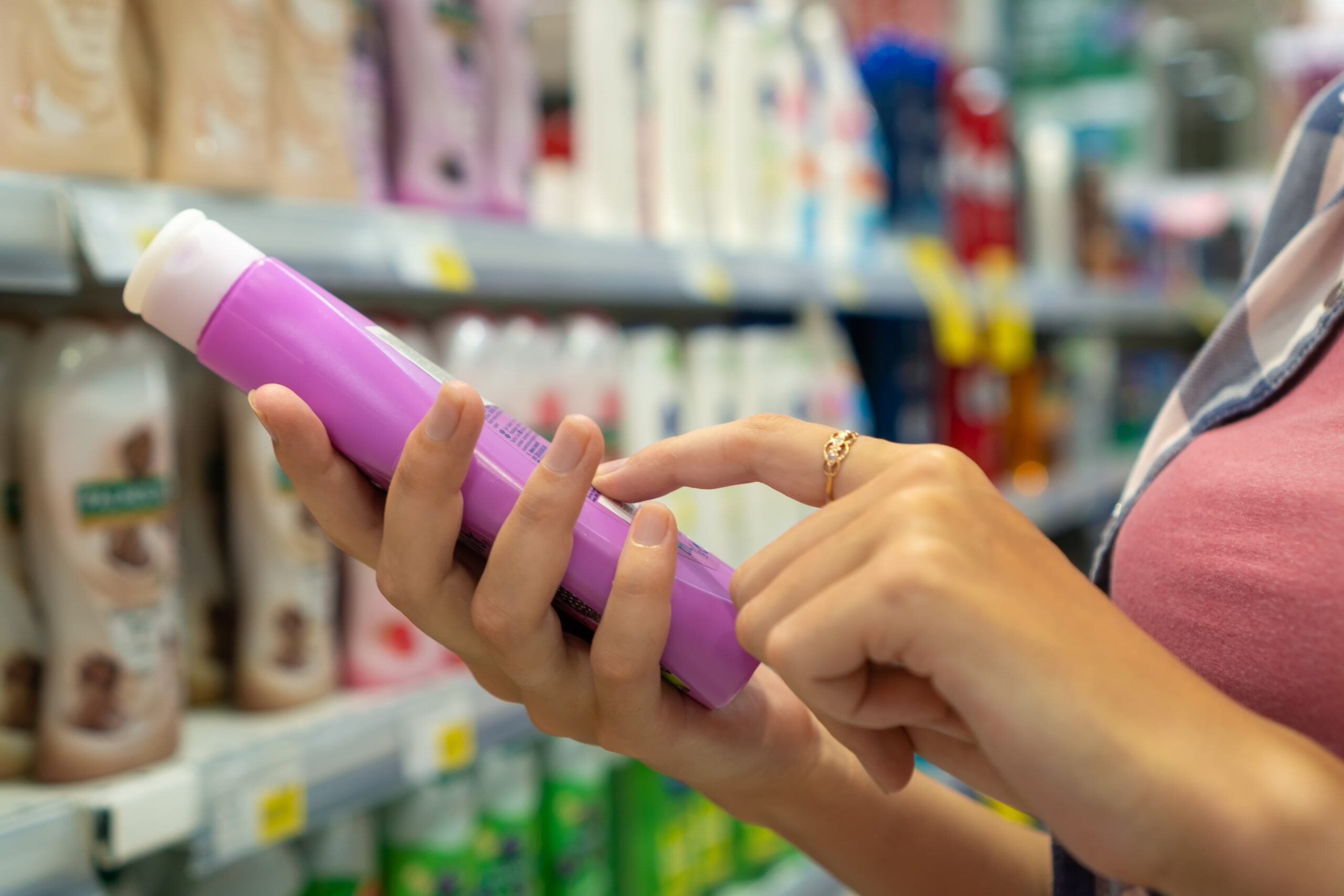
- Scrutinize certification marks — look carefully at logos on products and packaging. A trademarked logo that looks slightly different than usual, is blurry, or is applied as a simple sticker may signal a counterfeit. Authentic certification marks are typically embossed, molded, or otherwise permanently applied.
- Be suspicious of very low prices — if a price seems too good to be true for an electrical product, it may be because the product is an inferior counterfeit.
- Buy from verified retailers — purchase electronics, power tools, and electrical products from established retailers, not from unknown online sellers or street vendors.
- Check for brand information — products with no brand name, no country of origin, or no manufacturer information are a red flag.
- Sign up for CPSC recall alerts at CPSC.gov so you are notified immediately when a dangerous product is recalled.
- Report any suspected dangerous product at SaferProducts.gov or call CPSC’s Hotline at 800-638-2772.