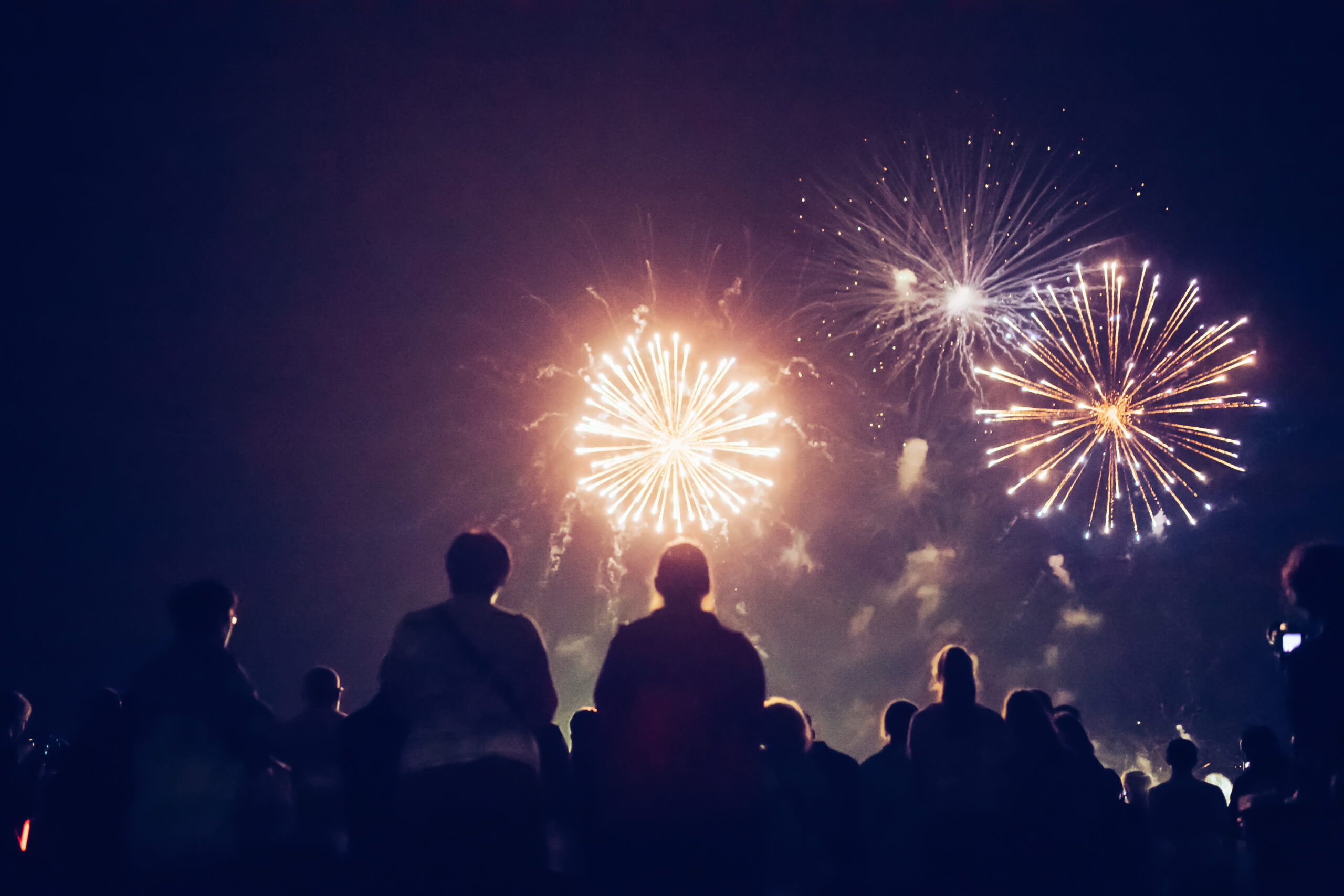
Fireworks are a beloved American tradition — but they send thousands of people to the emergency room every year. The U.S. Consumer Product Safety Commission (CPSC) estimates that in 2017, about 12,900 people were treated in hospital emergency rooms for injuries associated with fireworks. Sixty-seven percent of those injuries occurred in a single one-month window around July 4th. Children under the age of 15 accounted for 36 percent of all estimated injuries. Most injuries involved hands and fingers, the head (including face, eyes, and ears), legs, and arms.
All fireworks are hazardous by nature — even those that comply with federal regulations. Some fireworks, such as illegal firecracker-type devices (M-80s, quarter sticks) and professional display fireworks, should never be handled by consumers due to the risk of serious injury and death.
Recent Fireworks Deaths
The following are examples of deaths caused by illegal or misused fireworks:
- A 16-year-old male from Florida died on July 5, 2018, after a mortar tube exploded in his hand. The victim picked up the tube after it had been lit and held it in his left hand. He suffered a penetrating shrapnel wound to the chest with perforation of the heart and lung and was pronounced deceased in the emergency room.
- An 18-year-old male from Iowa died after taping a mortar tube to a football helmet and launching fireworks from his head. A second mortar became stuck in the tube and exploded, causing fatal injuries.
- A 37-year-old male from Indiana died of massive head trauma on July 7, 2018, after standing directly over a mortar shell with an altered fuse and lighting it.
- A 24-year-old male from South Carolina was fatally injured on July 4 after holding a mortar launching tube in his hand when the firework exploded inside it.
- A 49-year-old male from Texas died on New Year’s Eve 2018 after launching artillery shells from a device placed on his shoulder. The blast caused explosive injuries including multiple rib fractures and lacerations of the lung and chest.
Banned Fireworks
The federal government prohibits the sale to consumers of the most dangerous types of fireworks, including large reloadable mortar shells, cherry bombs, aerial bombs, M-80 salutes, and larger firecrackers containing more than two grains of powder. Mail-order kits designed to build these fireworks are also banned.
Safety Tips
- Do not allow young children to play with or ignite fireworks of any kind, including sparklers. Sparklers burn at very high temperatures and are not safe for young children.
- Older children should only use fireworks under close adult supervision. Do not allow running or horseplay.
- Set off fireworks outdoors in a clear area, away from houses, dry leaves, grass, and other flammable materials.
- Keep a bucket of water nearby for emergencies and for soaking fireworks that fail to ignite or explode.
- Do not try to relight or handle malfunctioning fireworks. Soak them with water and throw them away.
- Be sure other people are out of range before lighting fireworks.
- Never light fireworks in a container, especially a glass or metal container.
- Never have any portion of your body directly over a firework while lighting it.
- Keep unused fireworks away from firing areas and store them in a cool, dry place.
- Do not experiment with homemade fireworks.
- Observe local laws — check with your local police or fire department for specific requirements in your area.
Source: https://www.cpsc.gov/safety-education/safety-guides/fuel-lighters-and-fireworks/fireworks-safety