
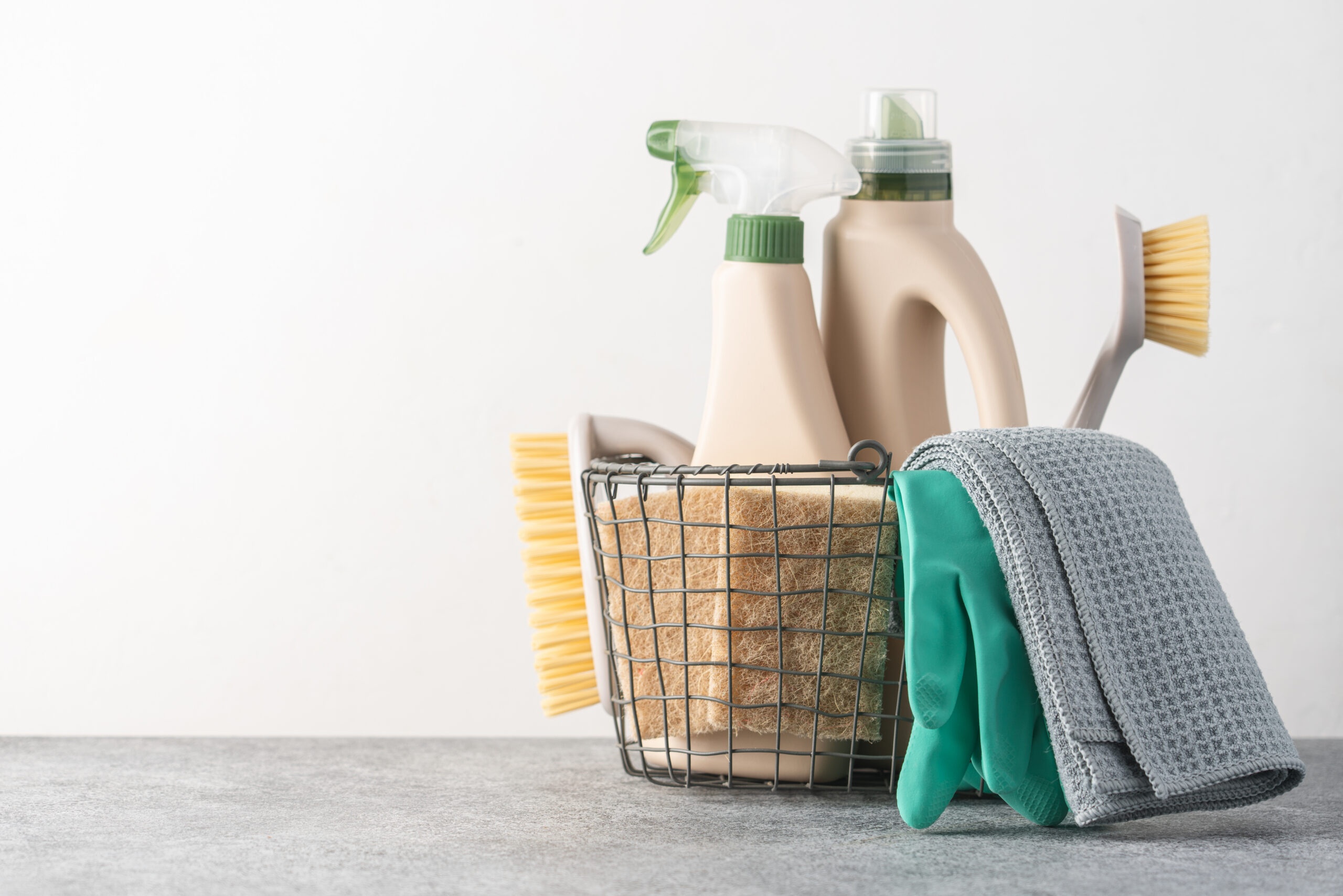
The cleaning products stored under your kitchen sink and in your bathroom are among the most chemically hazardous substances in your home and the U.S. Consumer Product Safety Commission (CPSC) warns that improper use or accidental exposure to household cleaners causes thousands of injuries every year, including severe chemical burns to the eyes, skin, and respiratory tract. CPSC estimates that approximately 90,000 children are seen in emergency departments nationwide due to unintentional poison exposures annually, many of which occur in the home from common household cleaning products.
The Most Dangerous Products in Your Home
Caustic household chemicals including oven cleaners, drain cleaners, toilet bowl cleaners, bleach, and pool chemicals can cause immediate and severe burns on contact with skin or eyes. Many of these products contain sodium hydroxide (lye), sulfuric acid, hydrochloric acid, or sodium hypochlorite (bleach), which can cause serious tissue damage on contact. Mixing certain cleaning chemicals is particularly dangerous: bleach mixed with ammonia produces toxic chloramine gas, and bleach mixed with acidic cleaners releases chlorine gas, both of which can cause serious respiratory damage or death when inhaled in an enclosed space.
What Makes the Risk Worse
- Spray bottles — cleaning products in spray bottles can mist into the eyes or be inhaled
- Unlabeled containers — transferring cleaning products from their original containers into unmarked bottles is a significant poisoning risk
- Child access — brightly colored cleaning products can be mistaken for beverages or attractive objects by young children
- Mixing products — consumers who combine cleaners in an effort to increase cleaning power can accidentally create toxic gas
Safety Tips
- Keep all household cleaning products in their original, child-resistant containers at all times.
- Store all cleaning products, including laundry detergents, in a locked cabinet completely out of sight and reach of children.
- Read and follow all product label directions before using any cleaning product.
- Never mix cleaning products, including bleach with ammonia, bleach with acids, or any combination of different cleaning agents. Even mixing two “safe” cleaners can produce dangerous toxic gases.
- Always use cleaning products in well-ventilated areas. Open windows and run fans to prevent buildup of fumes.
- Wear protective gloves and consider eye protection when using caustic cleaners such as oven cleaners or drain cleaners.
- If a child is exposed to a household chemical, call the Poison Help Line immediately at 800-222-1222.
- Never leave cleaning products unattended in an area accessible to children.
To report a dangerous product or a product-related injury, visit SaferProducts.gov or call CPSC’s Hotline at 800-638-2772.
Source: https://www.cpsc.gov/Safety-Education/Safety-Education-Centers/Poison-Prevention-Information-Center