Unintentional poisoning is one of the leading causes of injury-related deaths in the United States, and the U.S. Consumer Product Safety Commission (CPSC) warns that the most dangerous substances are often sitting unsecured in the same rooms where young children play. CPSC estimates that approximately 90,000 children are seen in emergency departments nationwide every year due to unintentional poison exposures, many of which occur in the home from products that most parents do not think of as poison risks.
What Counts as a Poison in Your Home
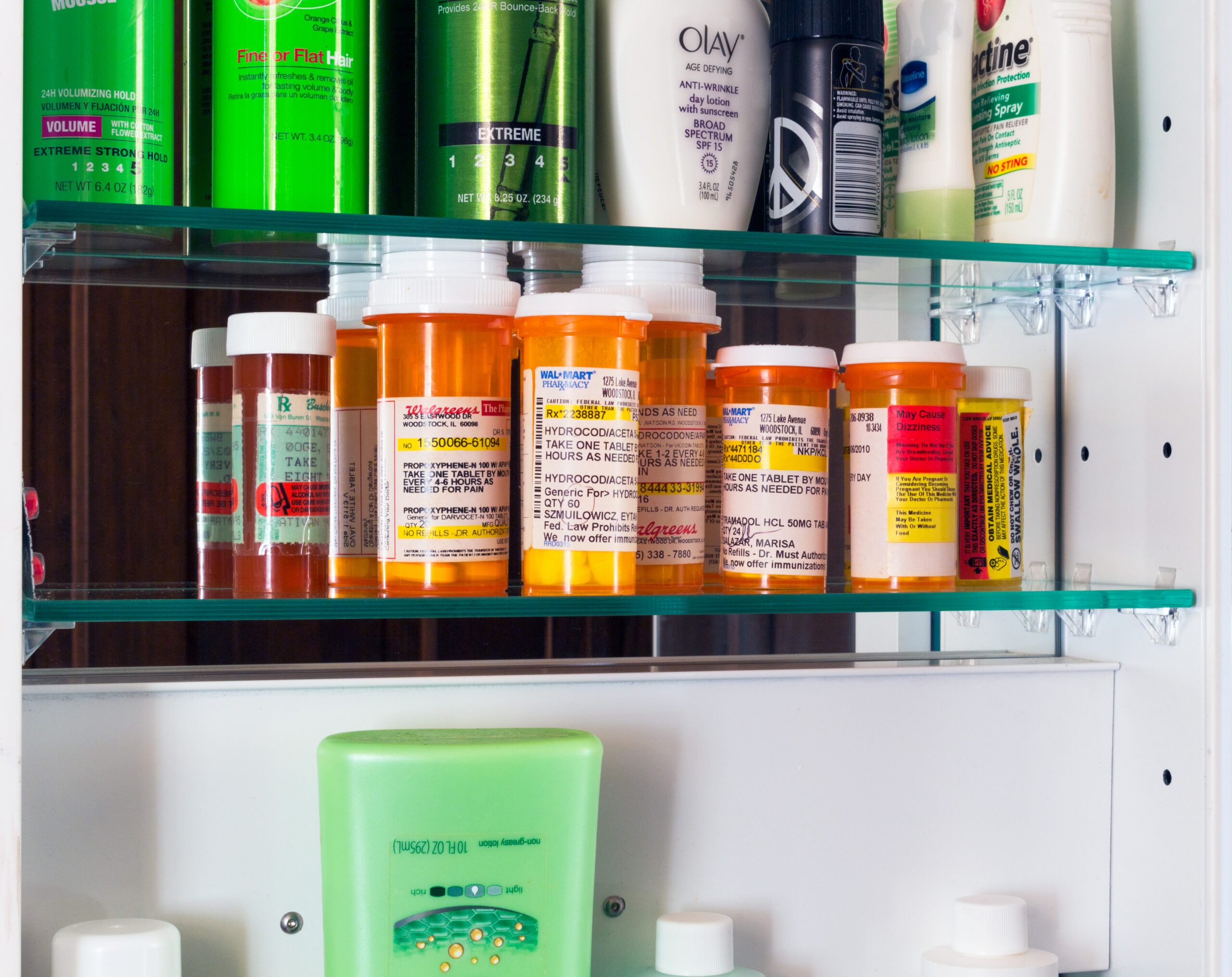
Many household products that adults use safely every day can be acutely toxic to young children who ingest even small amounts. Products most commonly involved in childhood poisoning incidents include:
- Medications — both prescription and over-the-counter, including vitamins and supplements. Iron-containing products are particularly dangerous to young children.
- Cleaning products — laundry detergent packets, dishwasher pods, bleach, drain cleaners, and oven cleaners
- Personal care products — mouthwash, perfume, nail polish remover, and hair products
- Button cell and coin batteries — which cause internal chemical burns if swallowed
- Plants — many common houseplants and yard plants are toxic if ingested
- Pesticides and fertilizers — including products used in the garage, basement, or garden
- Automotive products — antifreeze, windshield washer fluid, and motor oil
The Child-Resistant Packaging Rule
Federal law under the Poison Prevention Packaging Act requires many hazardous household products to be sold in child-resistant packaging. However, child-resistant does not mean child-proof. Once opened, these containers may not re-close properly — and many children can defeat child-resistant closures with persistence. The only reliable protection is keeping hazardous products locked out of sight and reach of children at all times.
What You Should Do
- Store all medications in their original child-resistant containers in a locked cabinet or box out of children’s sight and reach.
- Store all cleaning products, laundry packets, and household chemicals in a locked cabinet out of children’s reach.
- Never leave medications on countertops, tables, or nightstands.
- Never refer to medications as candy to encourage children to take them.
- Keep purses, bags, and visitors’ belongings out of children’s reach, as they may contain medications.
- Store all hazardous household and automotive products in their original labeled containers — never in cups, bottles, or other containers that could be mistaken for food or drink.
- If you suspect a child has been exposed to a household poison, call the Poison Help Line immediately at 800-222-1222.
To report a dangerous product or a product-related injury, visit SaferProducts.gov or call CPSC’s Hotline at 800-638-2772.
Source: https://www.cpsc.gov/Safety-Education/Safety-Education-Centers/Poison-Prevention-Information-Center