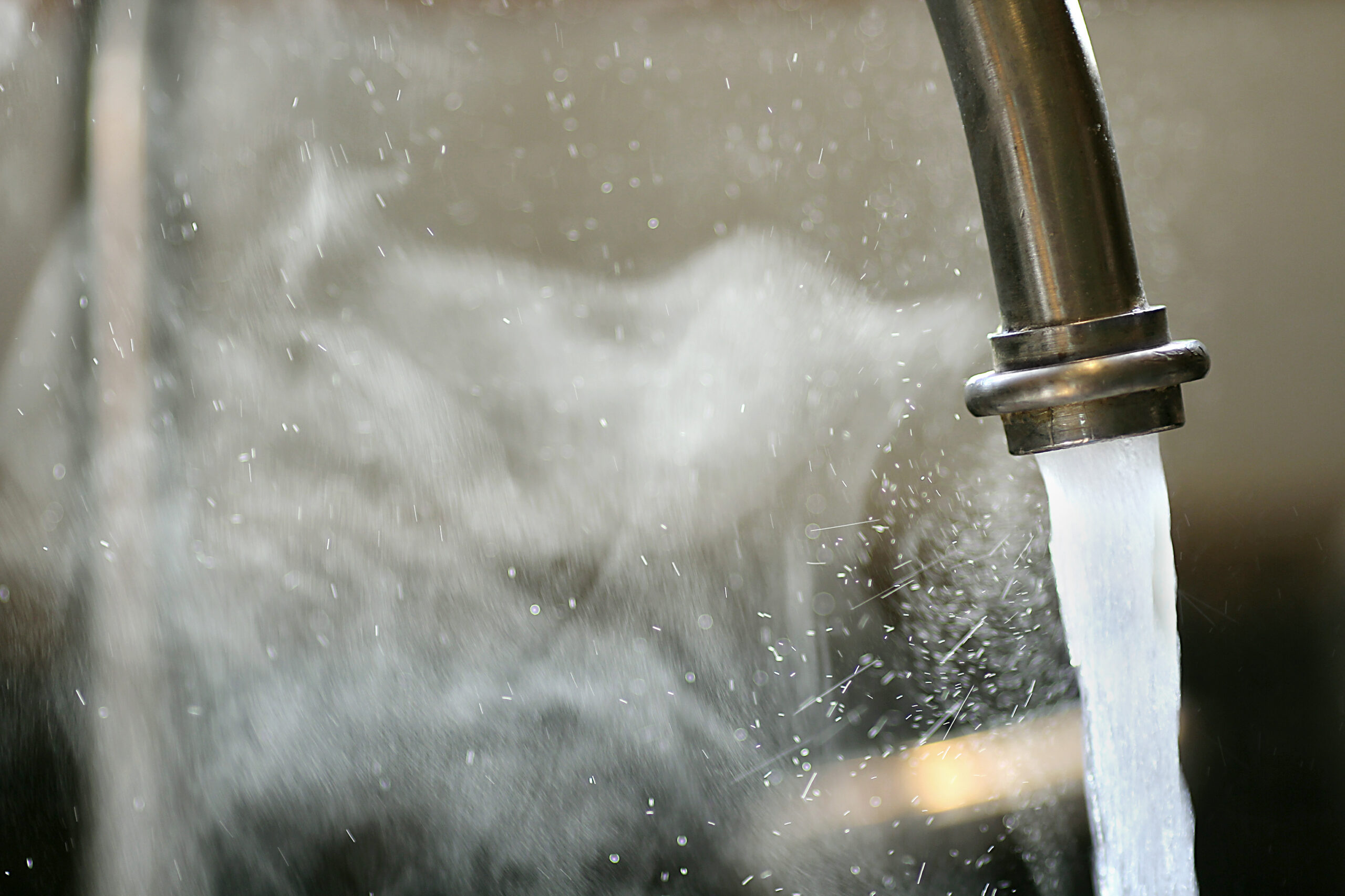
Most Americans have no idea their water heater is set to a temperature that can cause third-degree burns in seconds — and the U.S. Consumer Product Safety Commission (CPSC) has been warning about this hazard for decades. CPSC urges all consumers to lower their water heaters to 120 degrees Fahrenheit. Scalding from tap water is one of the leading causes of burn injuries and deaths in the home, with the most vulnerable victims being elderly adults and children under the age of five.
How Fast Hot Water Burns
The danger of tap water scalding is not well understood by most people — and the numbers are alarming. At 150 degrees Fahrenheit, most adults will suffer third-degree burns with just two seconds of exposure. At 140 degrees — the factory default setting on many water heaters — third-degree burns occur after just six seconds. Even at 130 degrees, a thirty-second exposure can cause third-degree burns. At 120 degrees, the CPSC-recommended maximum, a five-minute exposure would be required to cause third-degree burns — providing time to react and escape.
Young children are at dramatically higher risk than adults. A child’s skin is thinner and more sensitive, meaning the same water temperature causes deeper burns more quickly in children than in adults. The elderly face a similar elevated risk. Most tap water scald deaths and serious injuries involve these two groups.
Scalding incidents most commonly occur when someone steps into a bathtub or shower before testing the water temperature, or when a child turns on the hot water tap unsupervised. Elderly adults may slip or fall into a tub of scalding water and be unable to exit quickly.
How to Lower Your Water Heater Temperature
The fix is simple, costs nothing, and takes minutes. Lowering your water heater temperature also conserves energy and reduces your utility bills.
- Electric water heaters: The thermostat is typically located behind an access panel on the side of the heater. Turn off the circuit breaker for the water heater before adjusting. Set the thermostat to 120 degrees Fahrenheit, replace the panel, and restore power.
- Gas water heaters: The thermostat dial is typically located near the bottom of the heater on the gas control valve. Turn the dial to the 120-degree setting or to the lowest “hot” setting if degrees are not marked.
- Furnace-connected water heaters: Contact a qualified plumber or your utility company for guidance on adjusting the temperature.
If you are unsure how to adjust your water heater temperature, contact your local utility company or a licensed plumber.
Additional Safety Tips
- Always test bath water temperature with your elbow or wrist before placing a child in the tub. Running water should feel comfortably warm, never hot.
- Never take hot water temperature for granted — even at 120 degrees, prolonged exposure causes serious burns.
- Install anti-scald devices or pressure-balancing valves on showerheads and faucets for an additional layer of protection, particularly in bathrooms used by young children or elderly family members.
- Supervise young children closely around any hot water source at all times.
To report a product-related burn injury, visit SaferProducts.gov or call CPSC’s Hotline at 800-638-2772.
Source: https://www.cpsc.gov/safety-education/safety-guides/kids-and-babies-home/avoiding-tap-water-scalds