

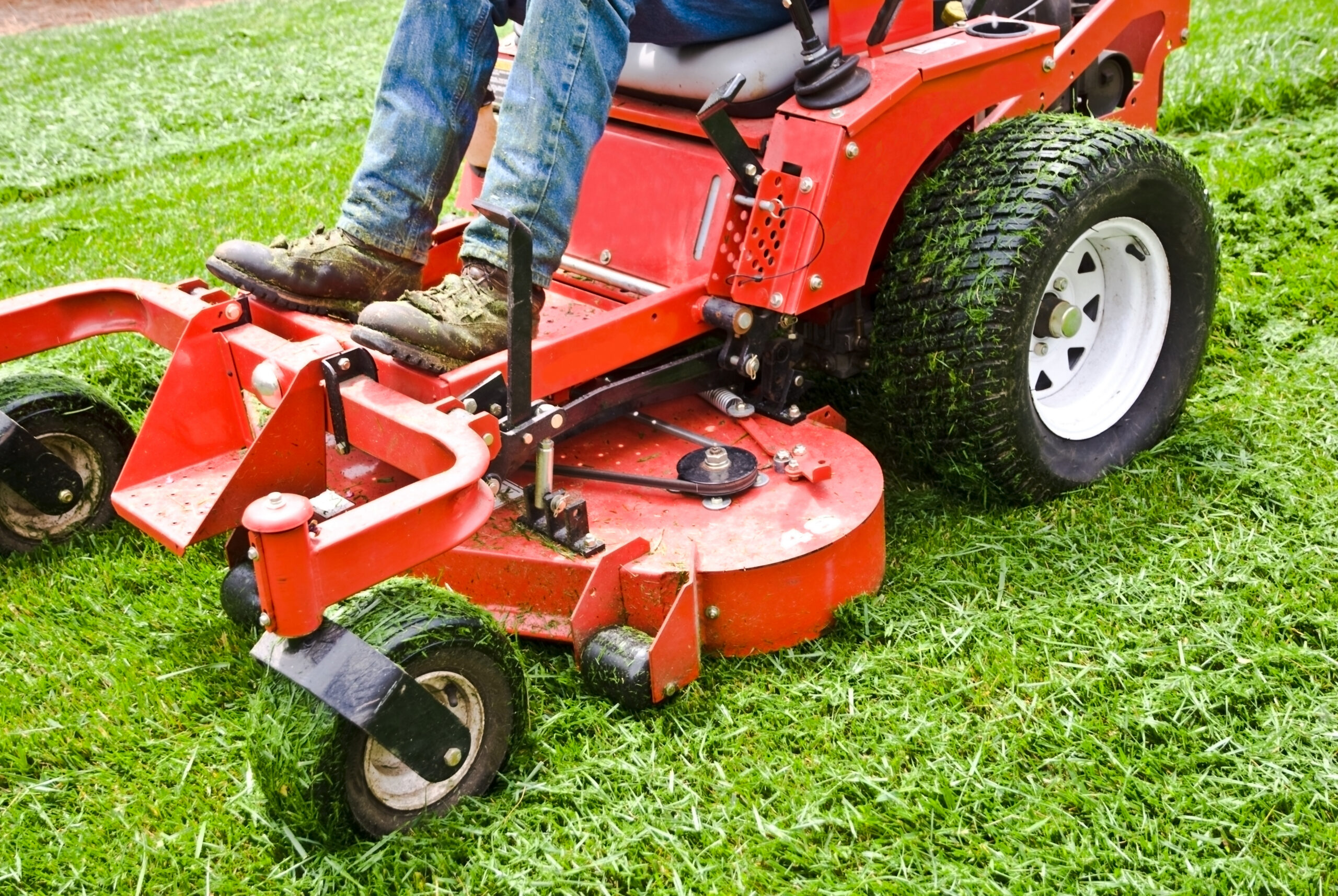
Millions of Americans fire up their riding mowers every summer without giving it a second thought — but the U.S. Consumer Product Safety Commission (CPSC) says these machines are far more dangerous than most people realize. CPSC estimates that 35,000 consumer injuries related to riding mower incidents were treated in hospital emergency rooms annually during 2012–2014. Based on incidents reported to the Commission, an annual average of about 90 deaths was attributed to riding mowers during 2008–2010.
The hazards most often associated with riding mowers are blade contact and loss of stability. Fatal incidents follow several common patterns: the machine tips over, the victim falls under or is run over by the machine, or the victim is thrown from or falls off the machine. Incidents involving young children frequently fall into the run-over category.
Safety Standards to Look For
When shopping for a riding mower, look for a label certifying that the mower or garden tractor meets the ANSI/OPEI B71.1-2003 voluntary safety standard. Mowers meeting this standard include key safety features such as:
- An operator presence control that stops the rotary blades if the operator leaves the control position without first disengaging the blade drive
- Seatbacks of at least 4½ inches to help the operator maintain a safe position
- Dynamic turn and sudden traction performance limits to improve machine stability
- A feature that prevents the mower from backing up with powered blades engaged, which reduces the risk of serious injury when an operator backs toward a young child
General Safe Operating Practices
- Read, understand, and follow all instructions on the machine and in the manual before starting.
- Never put hands or feet near rotating parts or under the machine. Keep clear of the discharge opening at all times.
- Only allow responsible adults who are familiar with the instructions to operate the machine.
- Clear the area of objects such as rocks, wire, and toys before mowing — the blade can throw these objects at high speed.
- Be sure the area is clear of bystanders before operating. Stop the machine if anyone enters the area.
- Never carry passengers.
- Do not mow in reverse unless absolutely necessary. Always look down and behind before and while backing.
- Never leave a running machine unattended. Always turn off the blade, set the parking brake, stop the engine, and remove the key before dismounting.
- Operate the machine only in daylight or good artificial light.
- Do not operate the machine while under the influence of alcohol or drugs.
- Always wear eye protection when operating the machine.
Slope Operation
Slopes are a major factor in loss of control and tip-over accidents, which can result in severe injury or death.
- Mow up and down slopes, not across.
- Watch for holes, ruts, bumps, rocks, or other hidden objects — uneven terrain could overturn the machine, and tall grass can hide obstacles.
- Choose a low ground speed so you will not have to stop or shift while on a slope.
- Do not mow on wet grass, as tires may lose traction.
- Always keep the machine in gear when going down slopes. Do not shift to neutral and coast downhill.
- Avoid starting, stopping, or turning on a slope.
- Do not mow near drop-offs, ditches, or embankments. The machine could suddenly roll over if a wheel goes over the edge or if the edge caves in.
Children and Riding Mowers
Tragic accidents can occur if the operator is not alert to the presence of children. Children are often attracted to the machine and the mowing activity — never assume that children will remain where you last saw them.
- Keep small children out of the mowing area and in the watchful care of a responsible adult other than the operator.
- Be alert and turn the machine off immediately if a child enters the area.
- Before and while backing, always look behind and down for small children.
- Never carry children on the mower, even with the blades shut off. Children who have been given rides in the past may suddenly appear in the mowing area expecting another ride and be run over or backed over.
- Never allow children to operate the machine.
Safe Gasoline Handling
- Never remove the gas cap or add fuel with the engine running. Allow the engine to cool before refueling.
- Never fuel the machine indoors.
- Never store the machine or a fuel container where there is an open flame, spark, or pilot light.
- If fuel is spilled on clothing, change clothing immediately.
Source: https://www.cpsc.gov/safety-education/safety-guides/outdoors-and-garden/riding-lawnmowers