

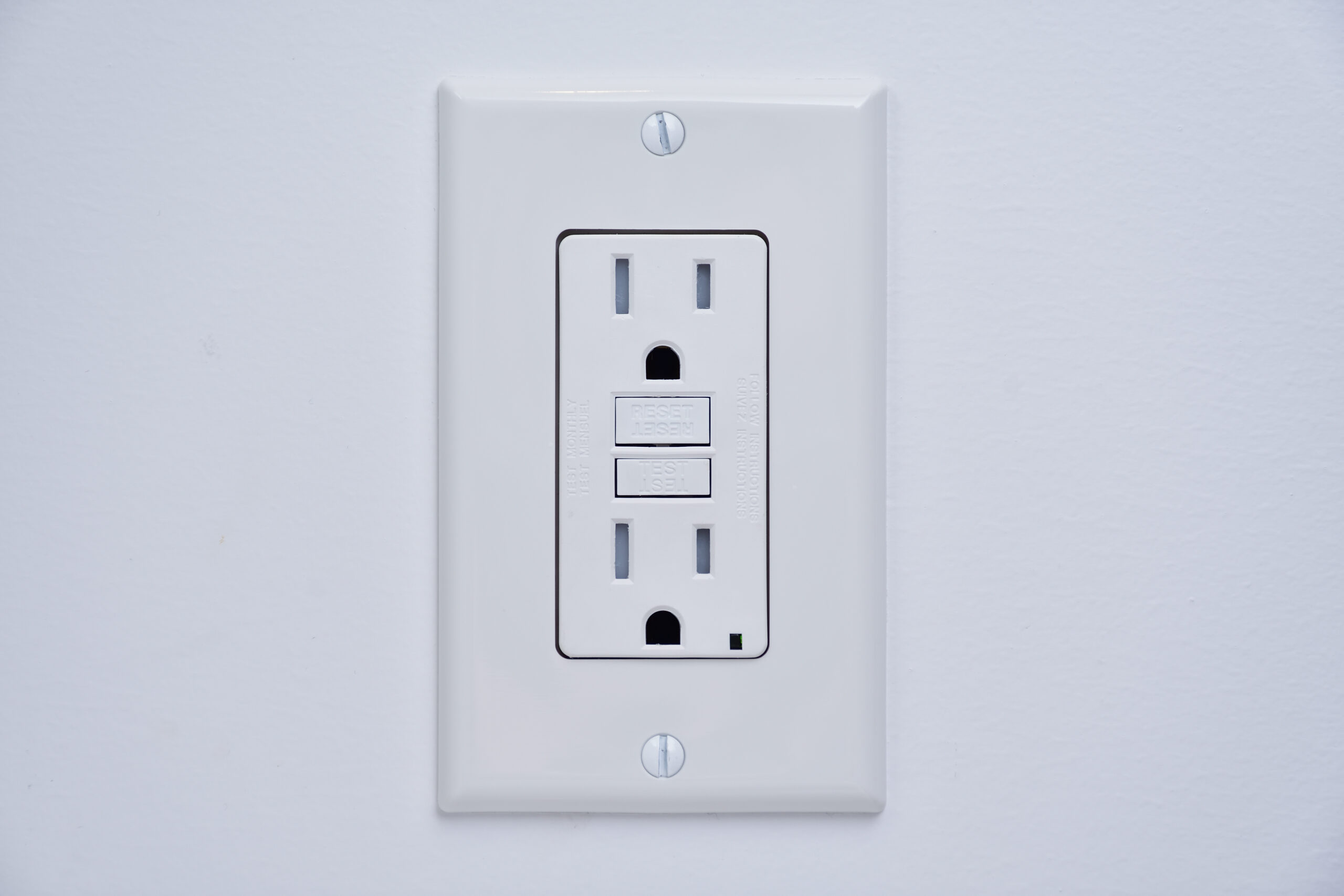
Most Americans have never heard of a ground fault circuit interrupter but it is one of the most important safety devices in a home and could prevent hundreds of electrocution deaths every year. A GFCI is an inexpensive electrical device that can either be installed in your electrical system or built into a power cord that protects you from severe electrical shock. CPSC says that greater use of GFCIs could further reduce electrocutions and prevent thousands of electrical burn and shock injuries that still occur in and around American homes every year.
What Is a GFCI and How Does It Work
A ground fault is an unintentional electrical path between a power source and a grounded surface. If your body provides a path to the ground for electrical current, you could be burned, severely shocked, or electrocuted. A GFCI constantly monitors the current flowing through a circuit. If the current flowing into the circuit differs by as little as 0.006 amperes from the returning current, the GFCI interrupts power faster than a blink of an eye — before a lethal dose of electricity can reach you. This protection is critical in any location where electrical equipment is used near water.
Where GFCIs Are Required and Recommended
The National Electrical Code requires GFCI protection for receptacles in certain areas of newly built homes, including bathrooms, kitchens, garages, basements, outdoor outlets, and kitchen countertop receptacles within six feet of the sink. In homes built before 1973, these protections may not be present.
CPSC recommends installing or checking GFCIs in all of the following locations:
- All bathroom outlets
- All kitchen countertop outlets
- Garage outlets
- Outdoor outlets
- Basement outlets
- Any outlet near water — including laundry rooms, utility rooms, and workshops
GFCIs Can Fail Without Showing Any Sign of Failure
A significant percentage of installed GFCIs in American homes are inoperable, according to a nationwide survey reported to the CPSC. The primary causes of GFCI failure are power surges that damage sensitive electronic parts and corrosion from weather-related dampness. Because a failed GFCI shows no visible sign of failure, regular testing is essential.
How to Test Your GFCIs
Test all GFCI outlets in your home monthly:
- Plug a lamp or small appliance into the GFCI outlet and turn it on.
- Press the TEST button on the GFCI outlet. The power should cut off and the lamp should go out.
- Press the RESET button. The power should be restored and the lamp should come back on.
- If the lamp does not go out when you press TEST, the GFCI is not working and should be replaced by a qualified electrician immediately.
To report a dangerous electrical product or a product-related injury, visit SaferProducts.gov or call CPSC’s Hotline at 800-638-2772.