
Most Americans believe they are protected from home fires because they have smoke detectors installed. The U.S. Consumer Product Safety Commission (CPSC) has issued urgent warnings against multiple defective smoke and carbon monoxide detectors sold on Amazon that have been tested and confirmed to fail, meaning they will not sound an alarm when smoke is present. In a typical residential fire, occupants may have as little as one to three minutes to escape after a smoke alarm sounds before conditions become incapacitating or deadly. A detector that fails to sound eliminates that window entirely.
Defective Detectors CPSC Has Warned Against
CPSC has issued warnings to immediately stop using and dispose of the following combination smoke and CO detectors, all confirmed to fail smoke sensitivity testing:
- Detectors sold under the brand names PetUlove, ORIKLON, SENCKIT, Kingebai, Gaoducash, LDASEC, and AMS, all with model number JSN-JY-909COM, manufactured by Shenzhen Lidingfeng Tech. and sold on Amazon — fail UL 217, the voluntary safety standard for smoke alarms
- BQQZHZ combination smoke and CO detectors, sold on Amazon — fail to alert consumers to the presence of hazardous smoke and fire
- JNHCD Combination Smoke and Carbon Monoxide Detectors — can fail to alert consumers to the presence of hazardous smoke and fire
CPSC urges consumers who own any of these products to immediately dispose of them and install new, certified smoke alarms.
How to Make Sure Your Detector Actually Works
- Check SaferProducts.gov to verify whether your smoke detector or combination alarm has been recalled or flagged.
- Look for smoke alarms that carry a UL certification mark — this indicates the product has been independently tested.
- Be cautious when purchasing smoke detectors from unknown sellers on Amazon or other online marketplaces. Multiple recent warnings involve Chinese-manufactured detectors with no-name branding sold at unusually low prices.
- Install smoke alarms on every level of the home, outside sleeping areas, and inside every bedroom.
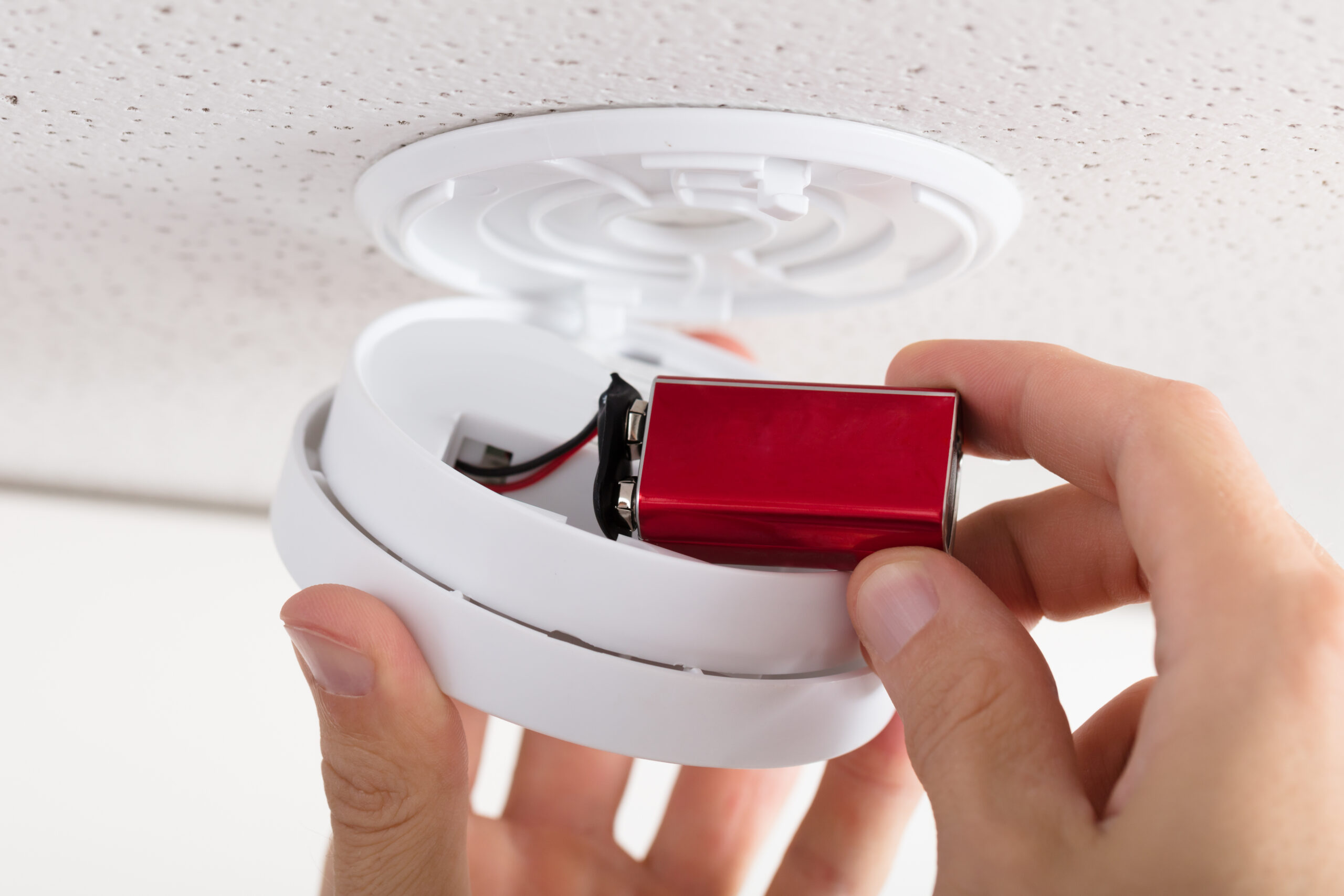
- Test all smoke alarms monthly by pressing the test button. Replace any alarm that fails to sound.
- Replace all smoke alarm batteries at least once a year.
- Replace smoke alarms that are 10 years old or older — the sensing chamber degrades over time.
- Never remove a smoke alarm or disconnect its batteries because of nuisance alarms.
An estimated 2,440 people die every year from residential structure fires in the United States. The risk of dying in a fire is twice as high in homes without a working smoke alarm.
To report a dangerous smoke detector or a product-related injury, visit SaferProducts.gov or call CPSC’s Hotline at 800-638-2772.