

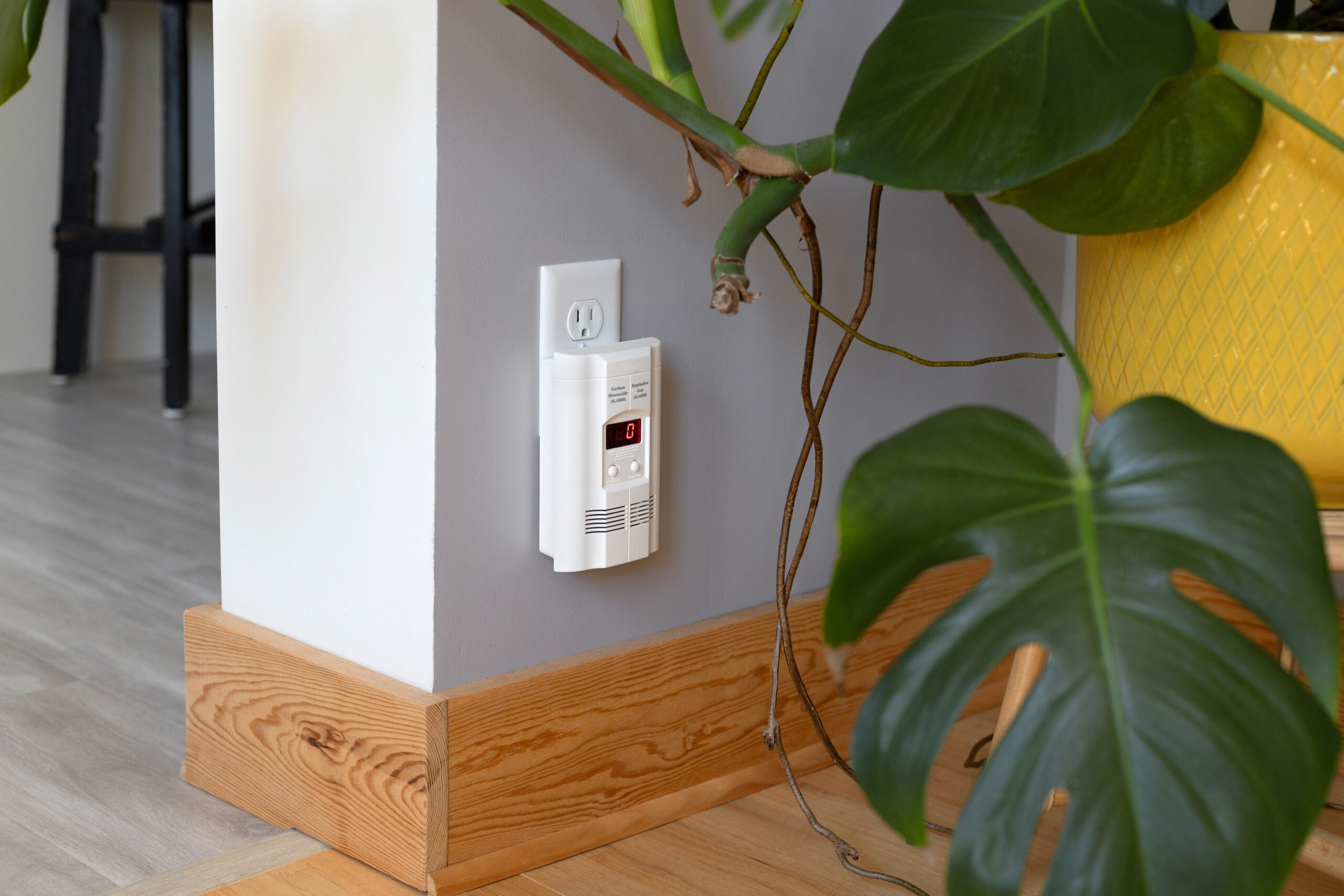
A carbon monoxide detector is only effective if it is positioned correctly — and the U.S. Consumer Product Safety Commission (CPSC) says most homeowners have their detectors in the wrong locations, creating a dangerous false sense of security. A CO alarm that is placed incorrectly may not detect dangerous concentrations in time to alert occupants before CO poisoning is already underway.
Why Placement Matters
Carbon monoxide does not stratify in the air the same way smoke does. Unlike smoke, which rises rapidly to the ceiling, CO disperses relatively evenly through the air at approximately the same density as the surrounding atmosphere. This means ceiling placement, while acceptable, does not offer the dramatic advantage over lower placement that it provides for smoke alarms. What matters most for CO detectors is proximity to sleeping areas — because CO poisoning causes drowsiness and loss of consciousness, meaning the alarm must sound loudly enough and early enough to wake occupants before they are incapacitated.
The CPSC Placement Rules
- Install a CO alarm on every level of the home, including the basement.
- Install a CO alarm outside every separate sleeping area.
- Install a CO alarm on the ceiling or on the wall between 5 and 7 feet above floor level. Avoid placing CO alarms near fireplaces, gas appliances, or areas with excessive humidity.
- Do not place CO alarms in dead air spaces — corners of ceilings and floors — where air circulation is poor.
- Never place a CO alarm in a garage where vehicle exhaust will trigger constant false alarms and teach occupants to ignore the sound.
Additional Requirements
- Use only battery-operated alarms or alarms with battery backup. A CO alarm that fails during a power outage provides no protection.
- Test CO alarms monthly and replace batteries at least annually.
- Replace CO alarms every 5 to 7 years — CO sensing elements degrade over time. Check the unit’s manufacture date.
- A CO alarm that chirps rather than producing a continuous alarm may be signaling a low battery — replace the battery immediately.
To report a dangerous product or a product-related injury, visit SaferProducts.gov or call CPSC’s Hotline at 800-638-2772.
Source: https://www.cpsc.gov/Safety-Education/Safety-Guides/Home/Carbon-Monoxide