
CDC: Breast Cancer Awareness

Other than skin cancer, breast cancer is the most common cancer among American women. For many women, mammograms are the best way to find breast cancer early, when it is easier to treat. Mammograms can find cancer before it is big enough to feel or cause symptoms. Are you worried about the cost? CDC’s National Breast and Cervical Cancer […]
FDA: What To Know If Your Child Wants Contact Lenses
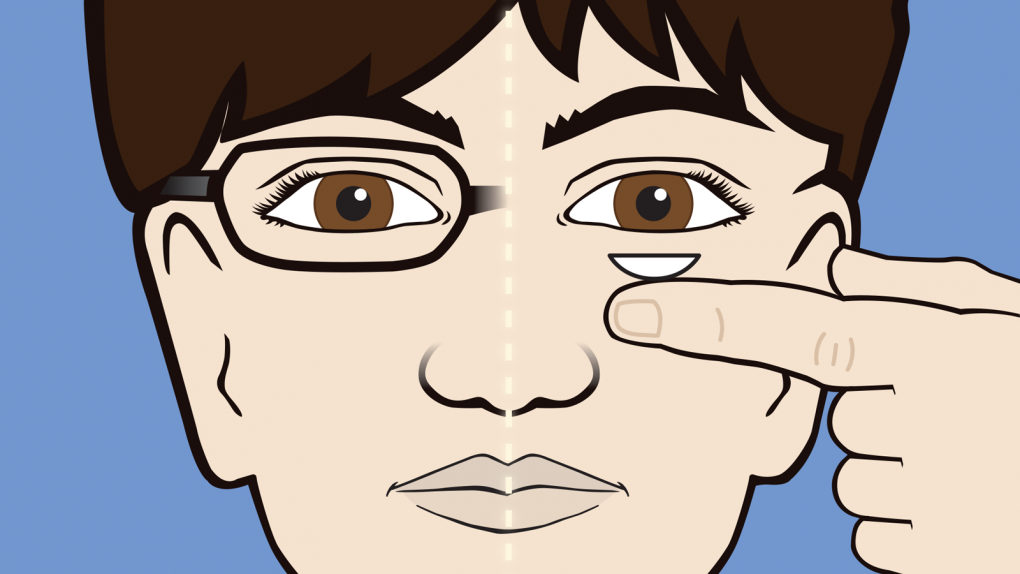
Improper use of contact lenses can cause serious injury. Is your child ready? These days, eyeglasses can look pretty cool. Still, the day may come when your child asks you for contact lenses. There are pros to consider — and cons. The U.S. Food and Drug Administration regulates contact lenses and certain contact lens care […]
CDC: Anophthalmia/Microphthalmia
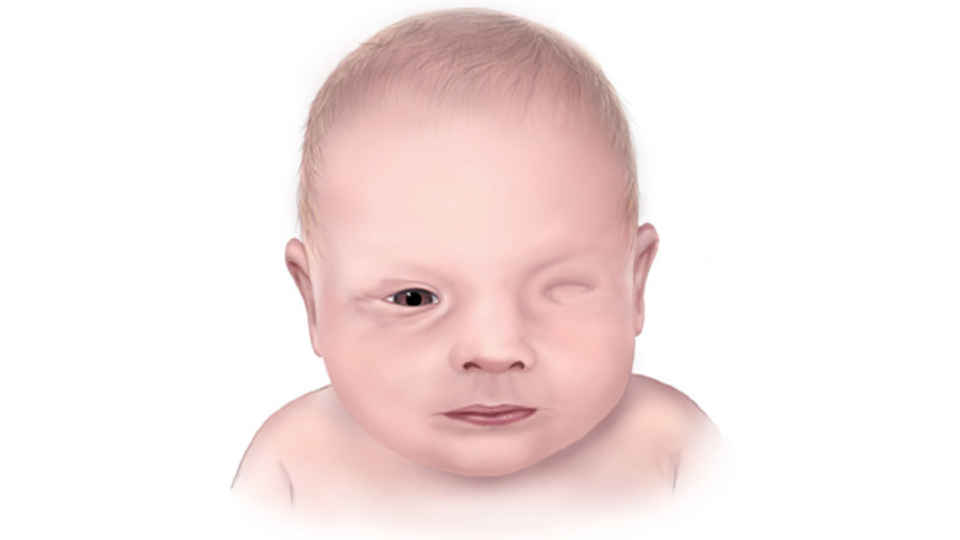
Key points What it is Anophthalmia Anophthalmia is a birth defect where a baby does not have one or both eyes at birth. Microphthalmia Microphthalmia is a birth defect in which one or both eyes did not develop fully, so they are small. Anophthalmia and microphthalmia develop during pregnancy and can occur alone, with other […]
FDA: Halloween Safety Tips: Costumes, Candy, and Colored Contact Lenses
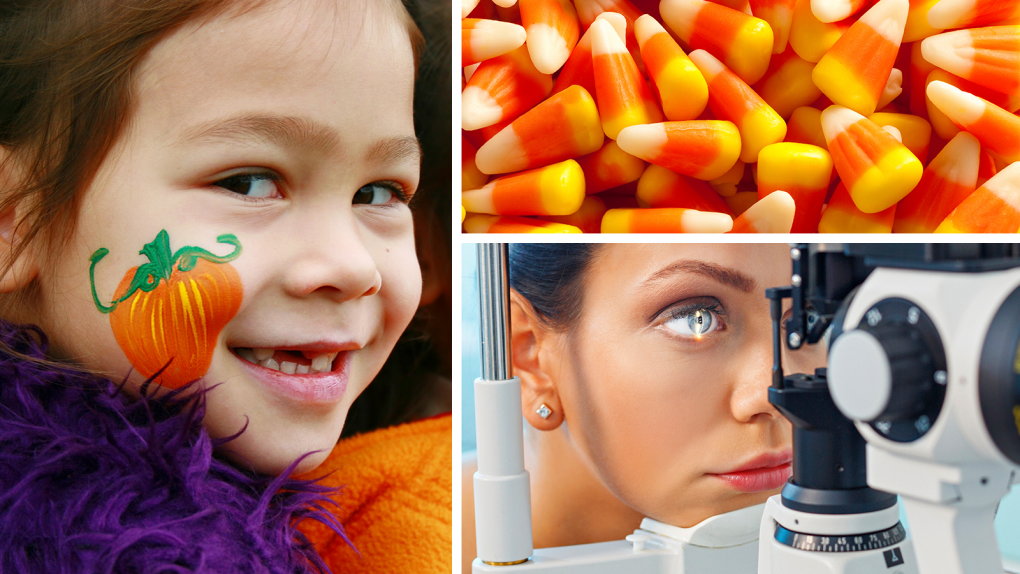
Enjoy a safe and happy Halloween by following these guidelines. Whether your Halloween plans are for adults or kids, there’s plenty to consider before choosing a costume, putting on makeup, and eating a bag full of treats. To help you and your loved ones enjoy a safe and happy Halloween, here are some tips from […]
CDC: Anencephaly

Key points What it is Anencephaly is where a baby is without parts of the brain and skull at birth. It is fatal and there is no cure or treatment. Anencephaly is a type of neural tube defect (NTD). During early pregnancy, the neural tube develops into the baby’s brain and spine. The upper part […]
FDA: Keep Lilies Away From Your Cats
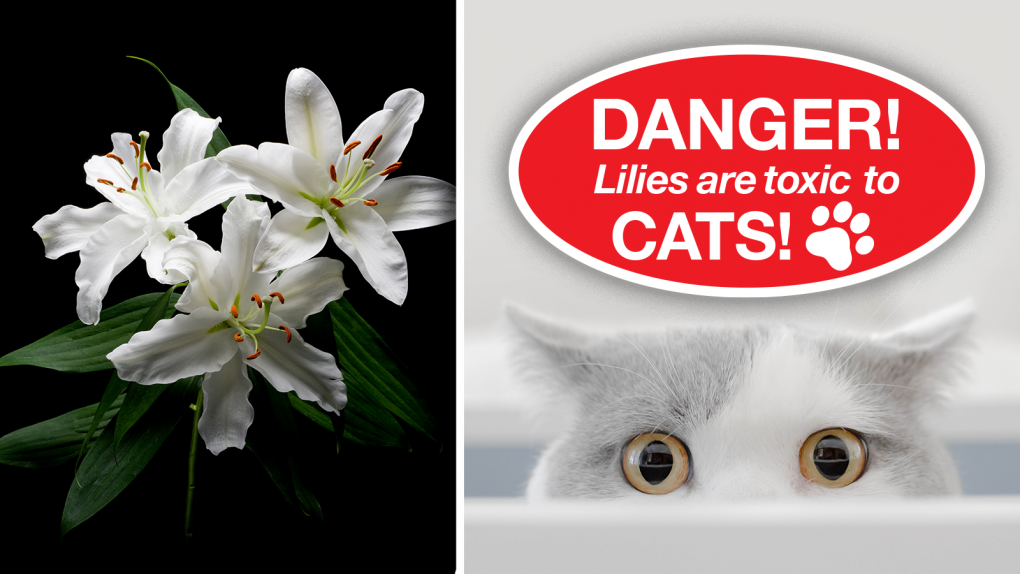
The white, trumpet-shaped Easter lily symbolizes Easter and spring for many people, and is a popular decoration in homes at this time of year. If you have cats, however, the Food and Drug Administration (FDA) wants to remind you that these particular flowers, as well as Tiger, Asiatic, Day, and Japanese Show lilies, are a […]
CDC: About Birth Defects

Key points What they are Birth defects are structural changes present at birth that can affect almost any part of the body, such as the heart, brain, or foot. They may affect how the body looks, works, or both. Language matters While “birth defect” is a medical term, it does not mean that an individual […]
FDA: Your Animal Is Sick, Was It Something They Ate?
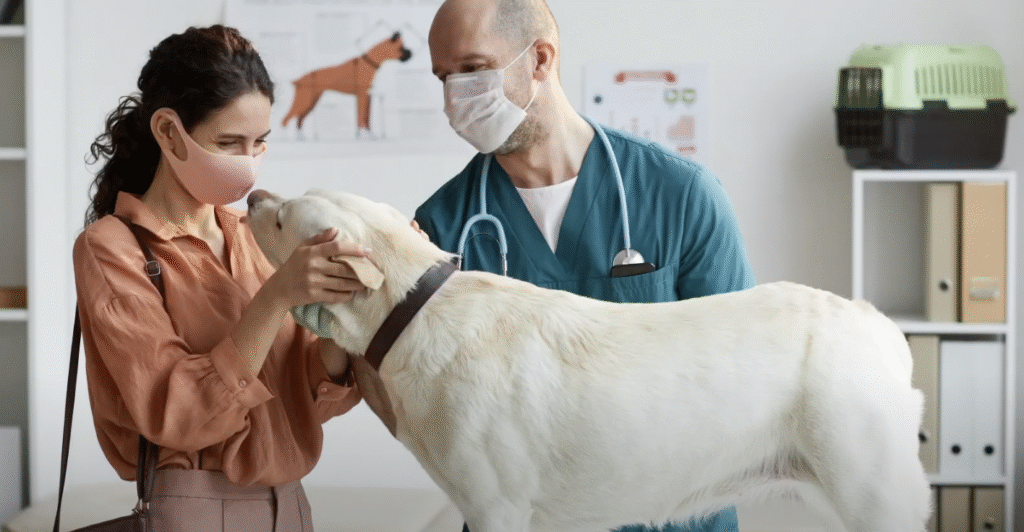
Your family’s beloved pet has gotten sick, and you and your veterinarian are working together to find the cause. While there are many potential causes, one possibility you may discuss with your veterinarian is whether the illness could be linked to your pet’s food. Vet-LIRN (Veterinary Laboratory Investigation and Response Network), a program from the […]
CDC: Testing for Cholesterol
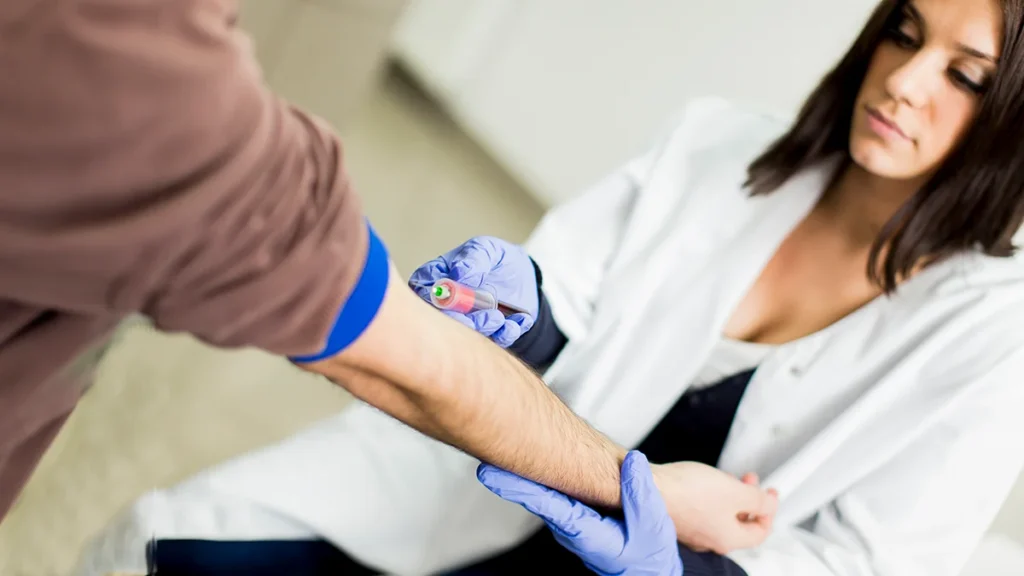
Key points Cholesterol statistics From 2017 to 2020, 86.4 million US adults age 20 or older had high or borderline high cholesterol (a total cholesterol level greater than or equal to 200 mg/dL). From 2009 to 2016, about 1 in 5 adolescents had an unhealthy cholesterol measurement. Because high cholesterol doesn’t have symptoms, many people […]
FDA: Medication Errors Happen to Pets, Too
Your dog or cat is sick, and you head to the animal hospital. The veterinarian prescribes medications that you hope will make your pet better. But with pets, as with people, medication errors can happen. Just as the Food and Drug Administration monitors medication errors that affect people, the agency watches out for mistakes that […]