
CDC: About Men and Heart Disease

Key points Overview The term heart disease refers to several types of heart conditions, including coronary artery disease and heart attack. Heart disease is the leading cause of death for men in the United States. Symptoms Sometimes heart disease may be “silent” and not diagnosed until a man experiences signs or symptoms of a heart attack, an […]
FDA: Treating Cushing’s Disease in Dogs

FDA approved medications can help manage this disease that most commonly occurs in middle-aged and older dogs. Your nine-year old dog has been drinking a lot more lately and eating everything in sight. Plus, he’s losing hair and has a pot-bellied appearance. A visit to the vet and some diagnostic tests confirm that he has […]
CDC: About Other Conditions Related to Heart Disease

Key points Conditions related to heart disease Coronary artery disease, also called coronary heart disease or ischemic heart disease, is the most common type of heart disease, but there are many other conditions that affect the heart. Acute coronary syndrome is a term that includes heart attack and unstable angina. Angina, a symptom of coronary artery disease, […]
FDA: Ivermectin & COVID-19

One of the U.S. Food and Drug Administration’s jobs is to carefully evaluate the scientific data on a drug to be sure that it is both safe and effective for a particular use. There continues to be interest in a drug called ivermectin for the prevention or treatment of COVID-19 in humans. The FDA has […]
CDC: About Coronary Artery Disease (CAD)
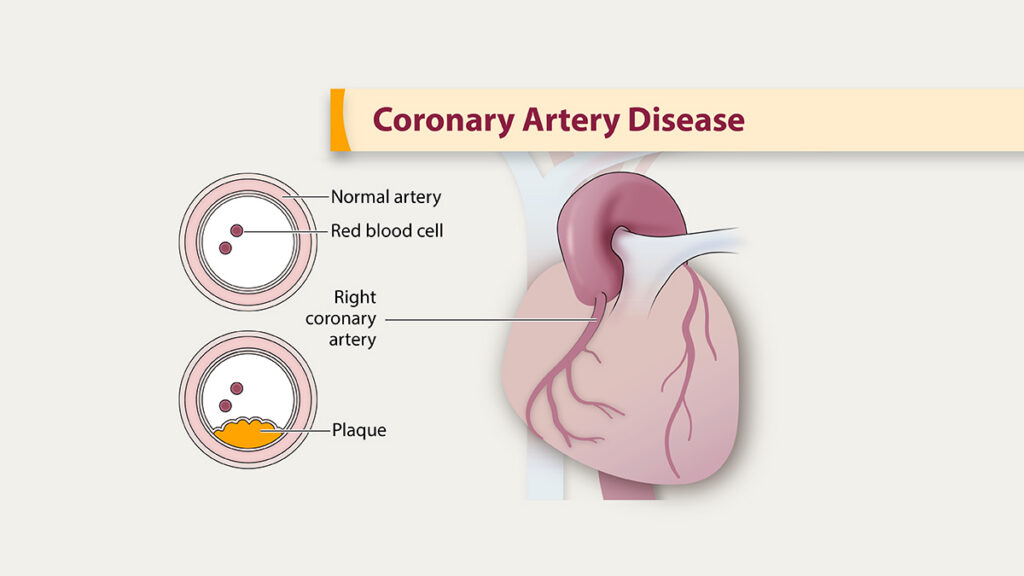
Key points What it is Coronary artery disease (CAD) is the most common type of heart disease in the United States. It is sometimes called coronary heart disease or ischemic heart disease. For some people, the first sign of CAD is a heart attack. You and your health care team may be able to help reduce […]
FDA: Understanding Unapproved Use of Approved Drugs “Off Label”

Has your healthcare provider ever talked to you about using an FDA-approved drug for an unapproved use (sometimes called an “off-label” use) to treat your disease or medical condition? It is important to know that before a drug can be approved, a company must submit clinical data and other information to FDA for review. The […]
CDC: Treat and Manage High Cholesterol

Key points Overview If you are concerned about your cholesterol, talk to your health care team about steps you can take to manage your cholesterol. Treating high cholesterol High cholesterol often is treated and managed by a combination of adjusting certain lifestyle factors and taking cholesterol-lowering medicines prescribed by a doctor. Take your medicines as […]
FDA: Right to Try Act

The Right to Try Act is one way for patients who have been diagnosed with life-threatening diseases or conditions who have tried all approved treatment options and who are unable to participate in a clinical trial to access certain investigational treatment options. FDA’s role in implementing the Right to Try Act is limited to receiving and posting certain information […]
CDC: About Heart Attack Symptoms, Risk, and Recovery

Key points What it is A heart attack, also called a myocardial infarction, happens when a part of the heart muscle doesn’t get enough blood. The more time that passes without treatment to restore blood flow, the greater the damage to the heart muscle. Coronary artery disease (CAD) is the main cause of heart attack. A […]
FDA: Understanding Investigational Drugs

Have you ever thought about joining a clinical trial that is trying to find out if an investigational drug works in treating your disease or medical condition? Or maybe your healthcare provider has talked to you about treating you with an investigational drug through expanded access. An investigational drug can also be called an experimental drug […]